Thinking about eco upgrades for your Greenwich home but unsure which ones truly impress buyers? You are not alone. Today’s luxury purchasers want comfort, wellness, and resilience wrapped in a beautiful package, and they expect clear proof that systems perform. In this guide, you will learn which sustainable features stand out in Greenwich, how buyers evaluate quality, and how to present documentation so your home earns attention and confidence. Let’s dive in.
What Greenwich luxury buyers notice
Solar generation and battery storage
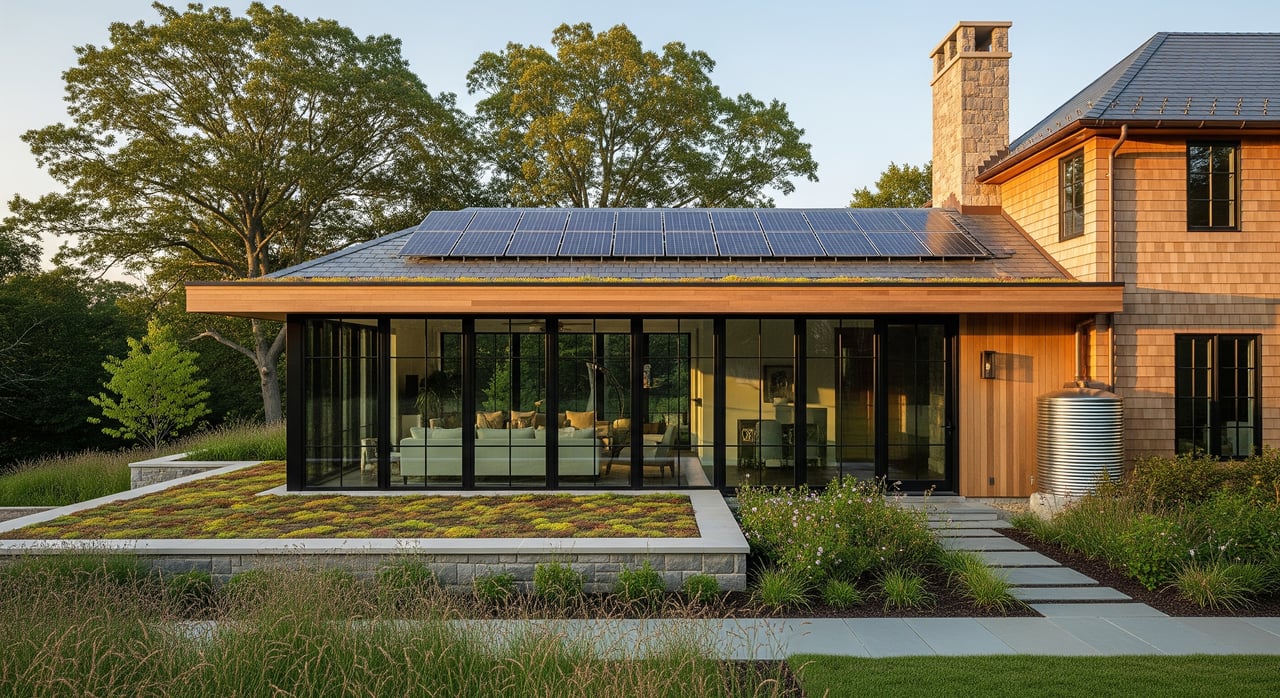
Greenwich buyers look for roof-integrated solar that blends with architecture and battery storage that keeps essentials running during outages. Whole-home or stacked battery systems signal resilience, which matters in coastal storms. Quality shows in clean installations, interconnection and net metering status, battery capacity and warranty, and production reports from a reputable installer. Provide recent utility bills and a one-page summary of annual solar output to make value clear.
Electrification and high-efficiency HVAC
Cold-climate air-source heat pumps, ducted or mini-split, are top of mind, with geothermal a plus where installed. Buyers notice quiet operation, balanced heating and cooling across rooms, and smart zoning. Proof points include proper sizing, sealed ductwork, installer credentials, and warranties. If you replaced an oil boiler, outline the fuel-switch timeline and a simple cost-of-operation comparison.
High-performance envelope and windows
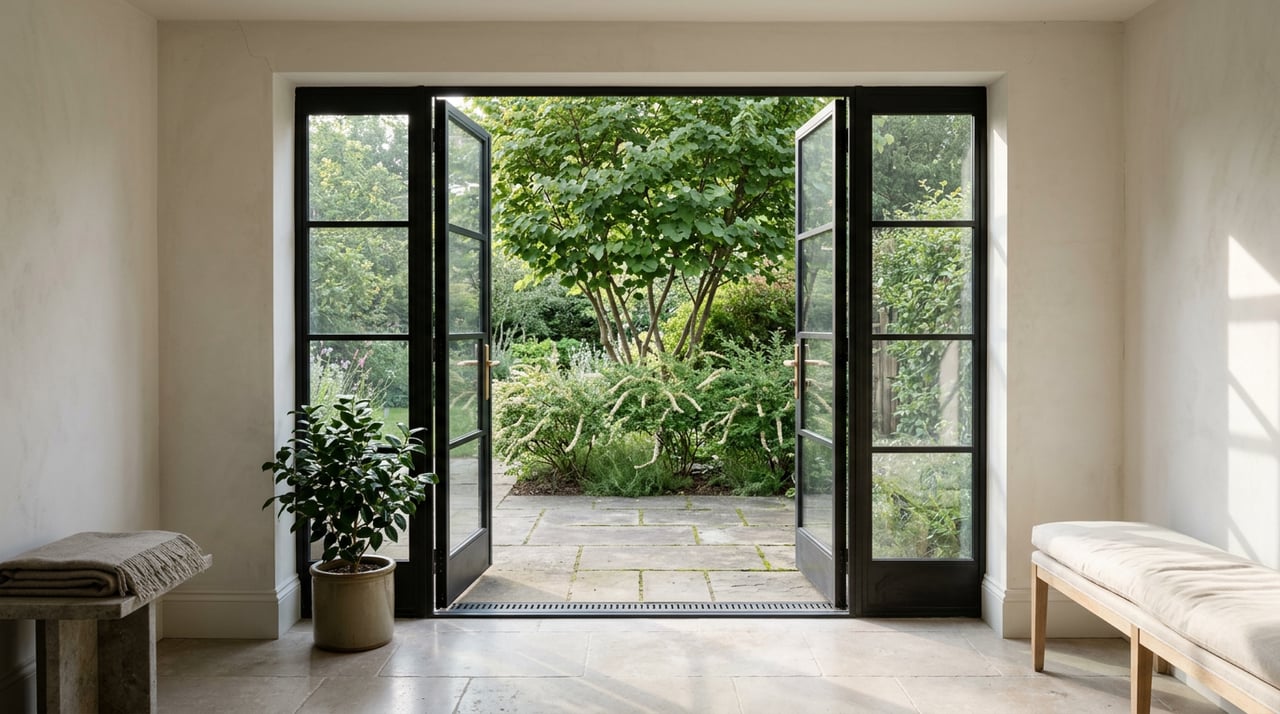
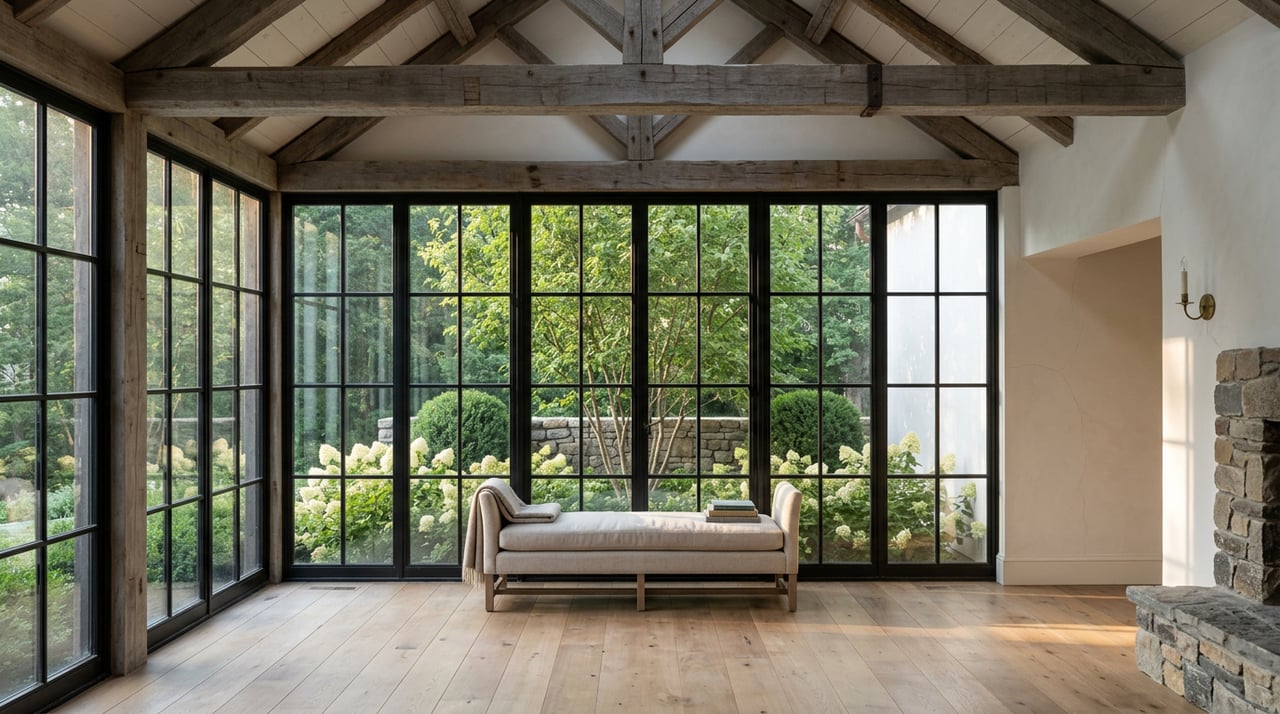
Comfort sells. Continuous insulation, meticulous air sealing, and high-performance windows reduce drafts and outside noise. Greenwich buyers respond to measurable results such as blower-door test data, HERS scores, and documented R-values for walls and attics. If your home is historic, show how window upgrades or storm systems respect aesthetics while improving performance.
Smart home energy management
A single, intuitive interface that controls climate, shades, lighting, EV charging, and battery dispatch is compelling. Buyers want zoned smart thermostats, real-time energy dashboards, and load management for peak times. A professionally commissioned system with secure networking and documented energy-saving modes eases the learning curve. Offer a simple “how to live with the system” sheet for day one.
EV infrastructure and vehicle-ready garages
Hardwired Level 2 charging, dedicated 240V circuits, and room for multiple chargers make a strong first impression. Greenwich buyers appreciate discreet charger placement that respects the garage’s finished look. Quality signals include permits, electrician credentials, charger make and model, and the home’s service capacity. Share expected charging speeds and whether expanding capacity is straightforward.
Water-smart landscaping and runoff control
Permeable pavers, rain gardens, bioswales, and smart irrigation show you planned for both beauty and durability. These features reduce runoff and maintenance while protecting site conditions, especially near coastal or wetlands areas. Provide landscaping plans that detail grading and infiltration, along with any rainwater harvesting used for irrigation. Native and low-maintenance plantings are a plus for long-term care.
Indoor air quality and healthy materials
Wellness is a decision driver. Energy recovery or heat recovery ventilation, high-MERV or HEPA filtration, and low-VOC finishes demonstrate a healthy home environment. Buyers appreciate commissioning reports and product data sheets for paints, cabinetry, and flooring. If you upgraded filters or added IAQ sensors, include maintenance schedules and replacement part information.
Resilience features and durability
Backup power, elevated mechanicals in flood-prone areas, and corrosion-resistant exterior materials matter for shoreline properties. Storm-rated windows and doors reduce risk and maintenance. Elevation certificates, floodplain approvals, and generator maintenance logs provide reassurance. Be ready to explain how upgrades align with local coastal requirements and reduce long-term upkeep.
Certifications and verifiable metrics
Third-party verification lowers buyer uncertainty. ENERGY STAR for Homes, LEED for Homes, Passive House details, and HERS index scores all carry weight. Copies of certificates, rating summaries, and contact information for the certifying professional help buyers evaluate quickly. If certification is in progress, provide status and expected completion timeline.
Value, ROI, and presentation
Perception and measured value
In luxury segments, buyers prioritize comfort, resilience, indoor air quality, and simplicity, not just quick payback. Visible and well-integrated features that come with documentation outperform vague claims. Independent verification, energy audits, and utility-bill histories build confidence and can improve perceived value. Aim to show how the home performs in real life, season by season.
Presentation that signals quality
Elegant integration counts. Conceal inverters where appropriate, keep battery rooms tidy and finished, and coordinate charger placement with cabinetry or wall finishes. Prepare standardized summary sheets for major systems and keep the narrative focused on benefits: comfort, quiet, resilience, and low maintenance. Offer a single point of contact for warranties and service to reduce buyer friction.
Incentives and permitting in Greenwich
Verify current incentives
Federal tax credits may apply to renewable energy and certain efficiency upgrades, and Connecticut programs provide additional incentives or financing through entities such as state energy and utility programs. These programs change often. Before committing to a project, verify current eligibility and terms with your tax professional and relevant state program administrators.
Permits, historic, and coastal rules
Expect permits for solar, structural envelope work, major electrical upgrades for EV charging, generators, and many HVAC systems. Properties near water or within regulated buffer zones may require Conservation or Wetlands approvals, and some neighborhoods or historic districts require design review that favors flush or integrated solar and discreet conduit runs. Coastal and wetlands regulations can influence grading, hardscape, and floodproofing. Engage the Town of Greenwich Building Department early for smoother approvals.
Choosing contractors and certifiers
- Solar: Prioritize installers with coastal and snow-load experience and respected credentials. Ask for interconnection paperwork, production monitoring, and warranty terms.
- HVAC: Select firms with cold-climate heat pump expertise and manufacturer or technician certifications. Confirm proper load calculations and duct sealing.
- Envelope and testing: Use certified professionals for blower-door and duct testing and to document insulation types and R-values.
- Certifications: If targeting Passive House or LEED for Homes, hire teams that have delivered those certifications before.
- References: Request examples of similar high-end work in Greenwich or comparable coastal Northeast markets.
Prepare your listing packet
- Copies of permits and final inspections for solar, electrical, HVAC, and structural work
- 12 to 24 months of utility bills for electricity and heating fuels
- Solar production history with inverter and battery warranty documents
- HERS, ENERGY STAR, Passive House, or LEED certificates and scoring reports
- HVAC, generator, and pump manuals plus maintenance records
- Contractor list with warranty and service contacts
- Any elevation certificates, flood zone letters, and coastal-permitting records
How to showcase upgrades in your listing
- Lead with outcomes buyers value: consistent temperatures, quiet operation, clean air, backup power, and simple controls.
- Quantify where possible: recent kWh production, percentage of load served by solar, blower-door results, or HERS index.
- Keep the visuals polished: show integrated panels, neat battery rooms, attractive charger installs, and energy dashboard screenshots.
- Note permitting and reviews upfront to reduce uncertainty for historic or shoreline properties.
The bottom line
Greenwich buyers reward sustainable upgrades that are elegant, quiet, and proven. When you pair thoughtful design with verifiable performance and a crisp presentation package, your home stands out and withstands scrutiny. If you would like senior-level guidance on which improvements resonate and how to position them for maximum market impact, connect with Charles Paternina for a discreet strategy.
FAQs
Which solar and battery setups impress Greenwich luxury buyers?
- Roof-integrated or flush solar paired with whole-home or stacked batteries, documented production, and cleanly finished equipment rooms.
How do cold-climate heat pumps perform in Connecticut winters?
- Properly sized systems with expert installation deliver steady heat, quiet operation, and efficient performance throughout the season.
What documentation should a seller prepare to prove eco performance?
- Provide utility-bill histories, solar production reports, blower-door or HERS results, permits, and current warranties and service contracts.
Are there special rules for upgrades in Greenwich coastal or historic areas?
- Many exterior changes need permits or design review, and coastal or wetlands rules may limit grading and hardscape, so engage the town early.
How many EV chargers should a luxury home offer?
- At least one hardwired Level 2 charger with capacity for more, plus dedicated 240V circuits and conduit for future expansion.
Do certifications like HERS or LEED affect resale value in Greenwich?
- Recognizable certifications reduce buyer uncertainty and can support premium pricing when paired with documentation and quality finishes.