Imagine starting your day with the tide, a short walk to the shoreline, and a quick train ride to the city when you need it. If you are weighing a move to Greenwich’s coast, you want more than pretty views. You need to know how the seasons shape daily life, how access and permits work, and what to check before you buy. In this guide, you will learn the rhythms of waterfront living, the practical and regulatory basics, and a clear checklist to help you plan with confidence. Let’s dive in.
Greenwich shoreline at a glance
Greenwich stretches along Long Island Sound with a mix of beaches, harbors, islands, and private shores. From west to east, you will find areas tied to Byram and Byram Shore, Cos Cob Harbor, the Mianus and Byram Rivers, Greenwich Harbor, Old Greenwich, and the Great Captain Island area. Some stretches are public parks, others are private associations or single-family estates with limited access, so the feel varies block by block.
One of the town’s anchors is Greenwich Point Park, known locally as Tod’s Point. It is the largest waterfront park, with beaches, trails, a boat launch, and year-round appeal for walking and birding. You can confirm park rules and seasonal permits with Town of Greenwich Parks & Recreation. Just offshore, Great Captain Island offers a natural area and lighthouse, with a short seasonal ferry run by the town. You can find island and ferry details through the town as well.
You will also see smaller public access points along the coast, plus Byram Park and Byram Beach to the west. For boaters and anglers, the main harbors and river mouths include Greenwich Harbor, Cos Cob Harbor, the Mianus River, and the Byram River. These areas host a mix of public moorings, private slips, and commercial marinas that support a strong local boating community. For boating rules and moorings, start with the Town Harbormaster and statewide boating guidance from CT DEEP.
Daily rhythm and seasons
Summer on the Sound
Summer is prime time. You will see steady beach activity at Greenwich Point and Byram, busy marina yards, and full calendars at yacht clubs and waterfront venues. Expect more pedestrian and vehicle traffic near public beaches on warm weekends. Lifeguards and seasonal staff are present at designated beaches, which improves safety and crowd flow. The town and CT DEEP beach guidance outline when and where swimming is allowed and where permits apply.
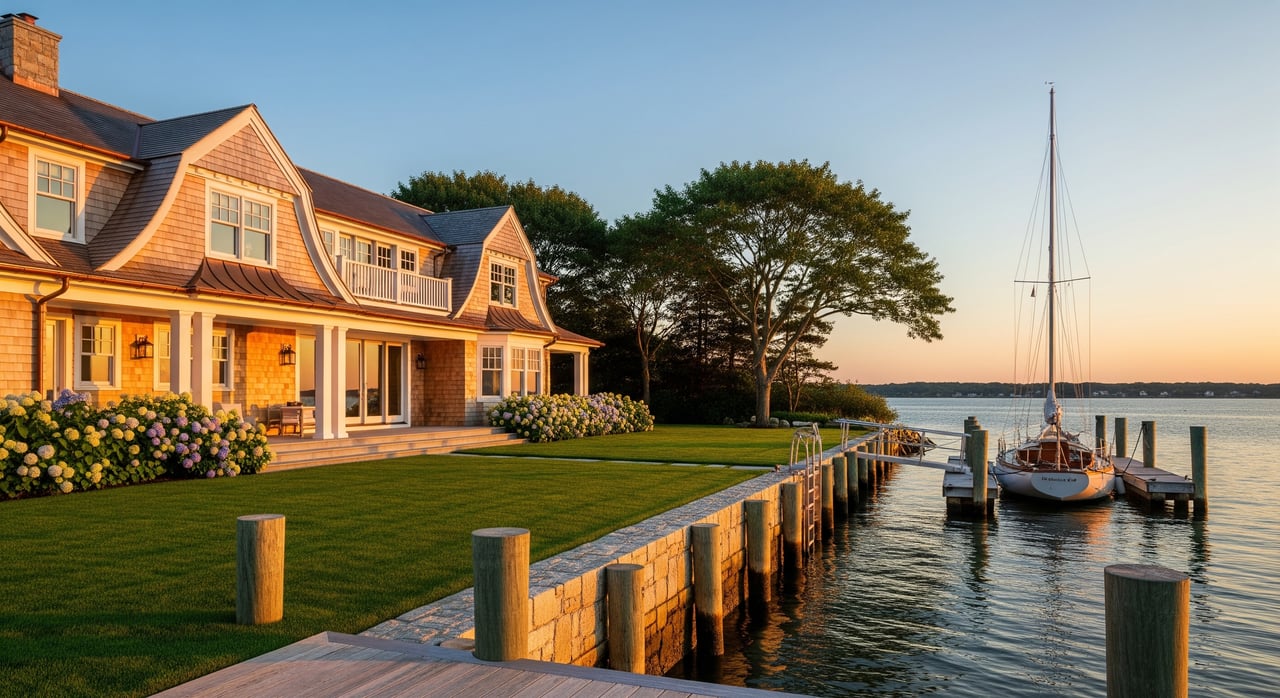
Boating is central to daily life in peak season. Owners use wet slips, moorings, or dinghies for access. If you plan to keep a boat locally, check slip availability early and ask about waitlists at marinas or clubs. Some communities also organize sailing, rowing, or fishing activities that can shape your family’s routine all season long.
Off-season calm and storm prep
From fall through spring, the shoreline shifts into a calmer mode. You will see fewer boats in the water, moorings get winterized, and beaches attract walkers, dogs, and birders. Coastal storms are a key planning factor. Nor’easters and hurricanes can bring high winds, coastal surge, and heavy rain. You can track tide and storm resources through NOAA, and plan for property preparation each year.
Weekday life and commuting
If you work in New York City, Greenwich’s coastal neighborhoods pair well with rail access. The Metro-North New Haven Line serves the Greenwich, Old Greenwich, and Cos Cob stations. Weekday mornings and evenings cluster around the stations, while mid-days near private shores stay quieter. For schedules and stations, see Metro-North Railroad.
Boating, beaches, and access
Slips, moorings, and clubs
The boating culture is strong here. Demand for slips and moorings is steady in prime locations, and some yacht clubs use waitlists or transfer rules for membership and boat storage. Before you commit to a property, contact the Town Harbormaster to understand mooring fields and rules. For broader boating regulations and permits, consult CT DEEP.
Public versus private shoreline
Not all beaches are the same. Some areas are fully public, with seasonal permits, parking rules, and lifeguard schedules. Others are privately maintained beaches tied to associations or single-family properties. Policies vary by location, so always confirm who controls access and what permits or parking tags you will need. The Town of Greenwich Parks & Recreation site is your best first stop for public access details.
Fishing, paddling, and wildlife
Tidal flats, marsh edges, and headlands support fishing, paddle sports, and birding. Some locations include protected habitat with seasonal restrictions. Check CT DEEP for statewide rules and local guidance before you plan outings, especially during nesting or migration periods.
Practical buyer considerations
Flood risk and sea level rise
Flood risk is the most important site-specific issue on the coast. Lower-lying parcels, especially near river mouths, are more likely to sit in FEMA flood zones. Before you make an offer, review your parcel on the FEMA Flood Map Service Center and request a recent elevation certificate for the home if one exists. To understand future exposure, consult sea level rise tools and projections from NOAA and the Connecticut Institute for Resilience & Climate Adaptation. These tools show how nuisance flooding and surge risk can evolve over time.
Insurance and lending
If your property lies in a Special Flood Hazard Area, most lenders require flood insurance, either through the National Flood Insurance Program or a private carrier. Premiums and deductibles depend on building elevation, construction type, and the insurer. Coastal homes may also carry separate wind or hurricane deductibles. The smart move is to obtain preliminary flood and homeowners quotes early, so you can factor coverage and costs into your offer strategy.
Docks, seawalls, and permits
New docks, pilings, bulkheads, and other shoreline structures usually need multiple approvals. In Greenwich, you will coordinate with the Town for local reviews and moorings, with CT DEEP for tidal wetlands and coastal structures, and often with the U.S. Army Corps of Engineers if work affects navigable waters. Many projects also trigger local zoning, coastal site plan review, and building department rules. Confirm what permits are in place before you buy, and what will be required for any changes you plan.
Utilities and shoreline infrastructure
Sewer access varies by neighborhood. If a home has a septic system, you should verify setbacks, recent inspections, and capacity through Town Health Department records. Bulkheads and shoreline stabilization have finite lifespans and can require significant capital to repair or replace. Any major work is likely to require environmental permits. If a dock, lift, or seawall conveys with the property, ask for maintenance history and any engineering reports that document condition and remaining life.
Construction and maintenance
New or elevated waterfront homes often use pile foundations, flood vents, and corrosion-resistant materials. Elevation and foundation requirements follow local floodplain ordinances and building codes. Day to day, expect more frequent repainting, HVAC corrosion prevention, deck sealing, and attention to metal fixtures. If you keep a boat, plan for winterization, storage, and regular service as recurring line items.
Access, parking, and events
Public beaches bring energy, but also seasonal traffic and parking pressure. If you live near a popular access point, expect busier weekends and occasional events such as regattas or concerts at waterfront parks. Confirm driveway access, guest parking, and any neighborhood rules tied to beach season before you commit.
Resale and long-term value
Waterfront homes often command a price premium for views and direct access. That premium is balanced by maintenance, insurance, and climate risk that a future buyer will evaluate. Your goal is to confirm the home’s flood profile, permit history, and infrastructure condition now. That diligence protects both enjoyment and future liquidity.
Buyer checklist for Greenwich waterfront
Use this checklist to focus your due diligence:
- Flood zone and elevation
- Obtain FEMA flood map designation and a recent elevation certificate if available.
- Ask the seller about prior flood claims and check public records for storm damage.
- Insurance
- Get preliminary flood and homeowners quotes, including wind or hurricane deductibles.
- Ask your broker about private flood options in addition to NFIP.
- Shoreline structures
- Verify age and condition of bulkhead, seawall, dock, and pilings. Request maintenance and engineering reports.
- Confirm permits for any existing dock or bulkhead with the Town and CT DEEP.
- Mooring and boat access
- Confirm whether a slip or mooring conveys with the property.
- If not, ask the Town Harbormaster about mooring fields, waitlists, and transient options, and contact nearby marinas.
- Utilities and systems
- Confirm sewer connection or septic status through Town Health Department records.
- Ask about flood-proofing upgrades, elevation work, and recent renovations.
- Permits and restrictions
- Check for conservation easements, wetlands buffers, and coastal overlays with the Town.
- For planned modifications, ask about the likely timeline for Town, CT DEEP, and U.S. Army Corps of Engineers coordination.
- Access and parking
- Review driveway and road access. Confirm municipal beach parking rules and guest capacity.
- Neighborhood and association
- Ask about any association, membership fees, guest policies, pet rules, and parking.
- Understand seasonality and expected peak crowding at nearby parks and beaches.
- Maintenance and long-term costs
- Request utility bills and typical annual costs for docks, lifts, and seawalls.
- Ask about recent shoreline repairs and expected remaining life of key systems.
How to start your search
Begin by mapping lifestyle and logistics. Confirm commuting needs near the Metro-North stations you use. Visit Greenwich Point and Byram Park at different times to feel weekday and weekend rhythms. If boating is a must, call the Harbormaster, local marinas, and clubs early to understand slip and mooring options. For site specifics, pull FEMA flood maps, request an elevation certificate, and review Town property files for permits and septic or sewer records.
When you are ready to evaluate properties, lean on senior-level guidance that blends finance, permitting, and local nuance. A thoughtful plan will balance the joy of daily shoreline living with the realities of insurance, infrastructure, and long-term value. If you seek discreet, fiduciary advice with a clear process and international reach, connect with Charles Paternina to Request a Private Consultation.
FAQs
What should I check first before buying a Greenwich waterfront home?
- Start with the parcel’s FEMA flood zone, elevation certificate, and any prior flood claims, then review permits and condition for docks, bulkheads, and utilities with the Town.
How does flood insurance affect my mortgage in Greenwich?
- If the home is in a Special Flood Hazard Area, most lenders require flood insurance, so obtain quotes early to model premiums, deductibles, and total monthly cost.
Can I build or replace a dock on a Greenwich property?
- Contact the Town Harbormaster, CT DEEP, and the U.S. Army Corps of Engineers before planning, since most dock work needs multi-agency permits and reviews.
How crowded do Greenwich beaches get in summer?
- Expect busy weekends at Greenwich Point and Byram Park with parking rules, lifeguards, and seasonal staffing; weekdays are generally lighter outside peak season.
Are there waitlists for boat slips and moorings in Greenwich?
- Yes, demand is strong in prime harbors; confirm mooring fields and waitlists with the Town Harbormaster and check availability at private marinas and yacht clubs.