What if your morning coffee, errands, and train ride were a five-minute walk from home? In Greenwich, several village centers make that possible, each with its own pace and daily rhythm. If you want shorter drives, easy station access, and a main street you can treat like your living room, in-town living can be a smart fit. This guide helps you picture life in each village so you can choose the one that matches your routine. Let’s dive in.
In-town living, Greenwich style
Greenwich is organized around multiple village centers rather than a single dense downtown. Each one blends shops, dining, services, and a Metro-North station, creating a walkable core and a clear local rhythm. Your choice of village shapes how you commute, where you walk the dog, and how you spend evenings and weekends. If you value quick errands, casual strolls, and reliable train access, these hubs make daily life simple.
Downtown/Greenwich Avenue
Daily rhythm
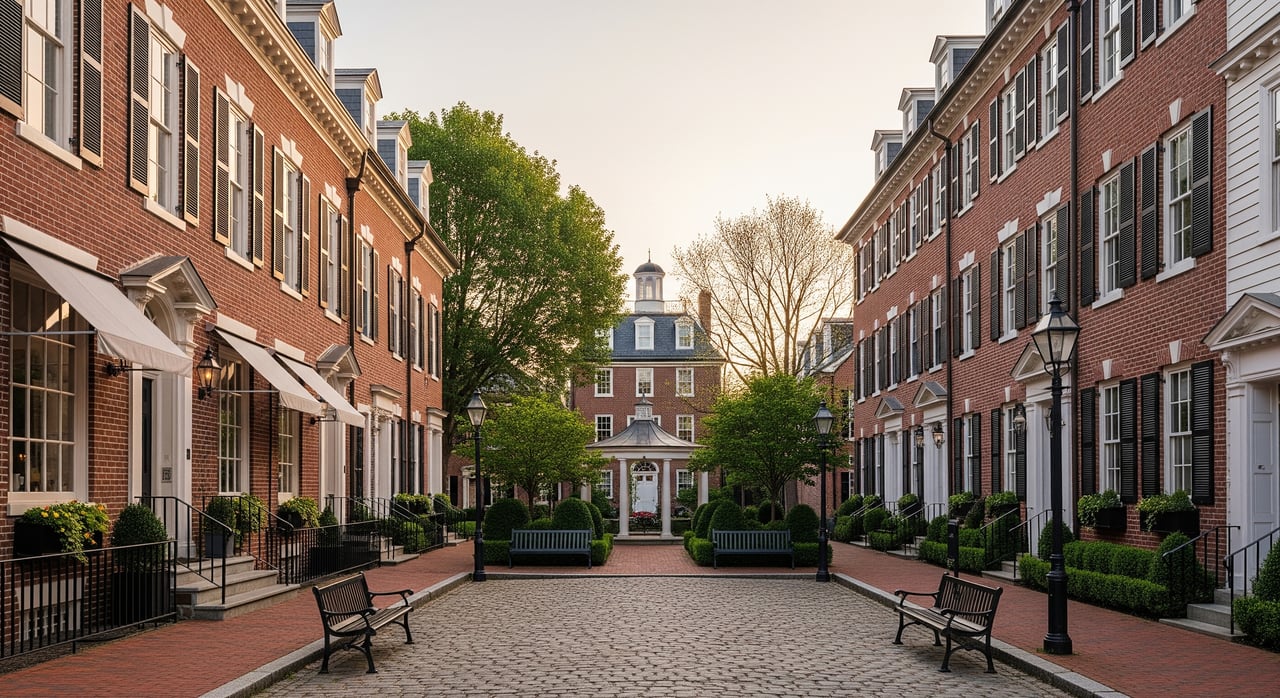
Downtown is the town’s commercial spine with steady foot traffic throughout the day. Mornings start with commuters heading to the main station, midday brings shoppers and lunch crowds, and evenings feel lively with restaurant activity and seasonal events.
Walkability and amenities
Short blocks and contiguous storefronts make the area easy to navigate on foot. You can find sit-down restaurants, cafes, bakeries, specialty retail, wine shops, and everyday services like dry cleaners and banks. Municipal and street parking serve the district, though you should expect turnover and occasional searches at peak hours.
Parks and open space
Small greens and plazas near the corridor offer quick breaks for fresh air and people-watching. Larger parks and the waterfront are a short drive or bike ride away, which makes a flexible weekend plan easy.
Transit and commute
The Greenwich Metro-North station anchors downtown and offers frequent New Haven Line service, including peak express patterns that can shorten travel time to Manhattan. Many residents walk to the station from nearby streets, which streamlines the daily commute.
Housing feel
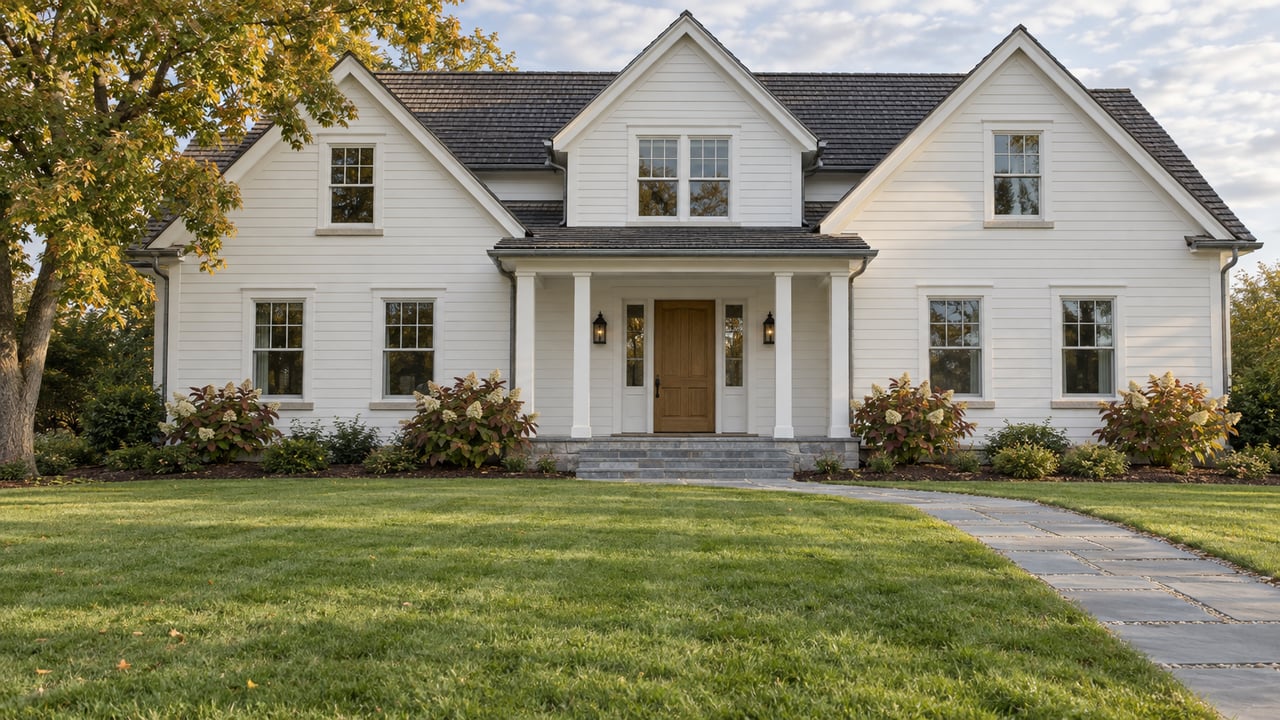
You will see multi-story retail buildings with offices and some condos above street-level shops. Just beyond the core, townhouses and single-family homes sit within a comfortable walking radius.
Cos Cob
Daily rhythm
Cos Cob’s village center feels like a neighborhood stop, ideal for quick errands and commuters on the go. Mornings are active around the station, while midday and evenings are calmer than downtown.
Walkability and amenities
The compact core covers the essentials: coffee, deli, pharmacy, and small restaurants, with fewer luxury retailers than Greenwich Avenue. Cultural and historic sites add interest during the day and support community programming.
Parks and waterfront
Cos Cob touches the eastern stretch of Greenwich’s shoreline, with small parks, shoreline paths, and marinas nearby. Waterfront views and recreational boating shape weekend routines.
Transit and commute
Cos Cob has its own Metro-North stop on the New Haven Line. Many residents walk to the station. If you drive, quick access to I-95 supports car commutes. Station parking is available, though lots in commuter towns can fill early on weekdays.
Housing feel
Single-family neighborhoods sit close to the center, with smaller multi-unit buildings near the station. The scale stays comfortable and village-like.
Old Greenwich
Daily rhythm
Old Greenwich revolves around a main street near the waterfront. Mornings feel unhurried with coffee walks and strollers, while summer weekends revolve around beach time and community events. Evenings are relaxed with casual, family-friendly dining.
Walkability and amenities
The core is compact and easy to navigate, with local restaurants, cafes, boutiques, and services for daily needs. Grocery options and essentials are within short walks or drives.
Parks and waterfront
Greenwich Point Park, also known as Tod’s Point, defines the area’s identity. It offers beach access, walking paths, and open space, drawing strong seasonal use and weekend activity.
Transit and commute
The Old Greenwich Metro-North station serves the village, and walking to the platform is common. Drivers use nearby I-95 for regional access.
Housing feel
Old Greenwich is primarily single-family, with a few small-scale condo developments. The buildings remain low-rise, preserving a classic small-town main street.
Riverside
Daily rhythm
Riverside is quiet and residential with a modest commercial strip for daily conveniences. Mornings center on commuters, midday is low-key, and evenings are calm after dinner.
Walkability and amenities
Within a short radius of the station, you can reach coffee, a bakery or deli, and neighborhood services. Nightlife is limited, which suits those who prefer a peaceful evening routine.
Parks and waterfront
Riverside offers shoreline access and small local parks. Amenities favor neighborhood use rather than destination tourism.
Transit and commute
The Riverside Metro-North station provides direct access to the New Haven Line. Local traffic is lighter than downtown, and highway access is straightforward for drivers.
Housing feel
Mostly single-family streets frame a compact village core. Density is lower, and the commercial area stays small by design.
Getting around: trains, driving, and logistics
Greenwich’s New Haven Line stations support frequent service to Manhattan, with peak express trains that reduce travel times. Off-peak and reverse-peak options are available, though schedules vary. Many in-town residents walk or bike to their local station. Others drive and rely on daily or permit parking, which often fills early on weekdays.
For drivers, I-95 runs along the coast, while the Merritt Parkway provides an inland route. Travel times can swing with traffic and weather, so many commuters choose the train for predictable Midtown access. Local shuttle and limited bus services supplement station access and shopping trips. Village cores generally offer sidewalks and short bikeable distances, though bike infrastructure varies. For air travel, Westchester County Airport is the nearest regional option for many residents, with LaGuardia and JFK serving broader domestic and international routes.
Parking in village centers is a mix of municipal lots, street parking, and private lots. Expect healthy turnover in downtown and near stations. If you plan to host guests, it helps to check on-street rules and municipal lot hours in advance.
Match your routine to a village
- Downtown/Greenwich Avenue: Choose this if you want walk-to-everything convenience, a lively evening scene, and the main station a short stroll away. Tradeoffs include busier sidewalks and peak-time parking searches.
- Cos Cob: A fit if you value a commuter-friendly routine, neighborhood-scale dining, and easy waterfront access without downtown intensity.
- Old Greenwich: Ideal if weekend beach time and a small-town feel top your list. Expect seasonal crowds around Greenwich Point and strong demand for close-in locations.
- Riverside: Right for a quieter in-town pace with straightforward station access and limited nightlife.
A weekend snapshot in each village
- Downtown: Brunch on the Avenue, an afternoon of boutique browsing, and dinner with friends, all within a few blocks.
- Cos Cob: A morning coffee and quick errands, then time by the shoreline or at a local cultural site.
- Old Greenwich: A relaxed breakfast, beach hours at Tod’s Point, and an easy walk to casual dinner.
- Riverside: A peaceful morning stroll to the bakery, park time, and a low-key evening at home.
Smart steps to test the fit
Take a few focused walks and drives to see how each village works for you. Use this checklist to compare options:
- Walk test: Cover your morning and evening routes at the times you would actually use them.
- Station approach: Time the walk, note lighting and paths, and check parking options if you plan to drive.
- Groceries and services: Map the distance and the quality of the walk to your go-to grocery, pharmacy, and dry cleaner.
- Weekend patterns: Visit on a Saturday or Sunday to gauge restaurant availability and seasonal activity at the beach in Old Greenwich.
- Seasonal effects: Expect busier summer rhythms in coastal villages and lighter winter foot traffic.
- Parking and guests: Review on-street rules, municipal lot hours, costs, and overnight guest options.
- Coastal factors: If you are evaluating shoreline properties, review flood zone maps and seasonal storm exposure.
- Community anchors: Proximity to schools, playgrounds, and community centers can shape your daily routine.
- Healthcare access: Greenwich Hospital is the principal local hospital and a useful amenity to consider.
The bottom line
Greenwich’s village centers let you right-size your daily routine, from a lively walk-to-dinner lifestyle on Greenwich Avenue to a quiet, commuter-friendly rhythm in Riverside, a neighborhood-feel hub in Cos Cob, or beach-forward living in Old Greenwich. When you match the village to your habits, mornings get easier and weekends feel more intentional. If you would like a senior-level sounding board to compare properties across these centers and coordinate a plan that fits your life, connect with Charles Paternina for a discreet, private consultation.
FAQs
Which Greenwich village is most walkable for daily errands?
- Downtown/Greenwich Avenue has the most concentrated mix of shops, dining, and services within short blocks. The other villages offer compact cores on a smaller scale.
Where can I access the beach and big waterfront park in Greenwich?
- Greenwich Point Park, also called Tod’s Point near Old Greenwich, is the town’s major shoreline park with beach access and walking paths.
Which village has the fastest train options to Manhattan?
- All four villages are on the Metro-North New Haven Line. Peak express patterns from the main Greenwich station and certain stops can reduce travel times, depending on the schedule.
How lively are evenings across the villages?
- Downtown has the most evening dining and event activity. Cos Cob, Old Greenwich, and Riverside offer casual options and are generally quieter after dinner.
What should I expect for parking near shops and stations?
- Village cores rely on municipal and street parking with steady turnover, and station lots in commuter towns often fill early on weekdays.
Are these village centers practical for families?
- Many families find them convenient for parks, sidewalks, and proximity to community anchors. Needs vary, so test your routes and weekend patterns before deciding.