Thinking about a new build in Greenwich but unsure where to start? Between zoning rules, wetlands, coastal considerations, and builder contracts, the process can feel complex. You want a home that fits your lifestyle and protects long-term value without surprises. In this guide, you’ll learn how new construction works in Greenwich, what you’ll typically see in today’s homes, and a step-by-step checklist to reduce risk before you commit. Let’s dive in.
Greenwich new construction at a glance
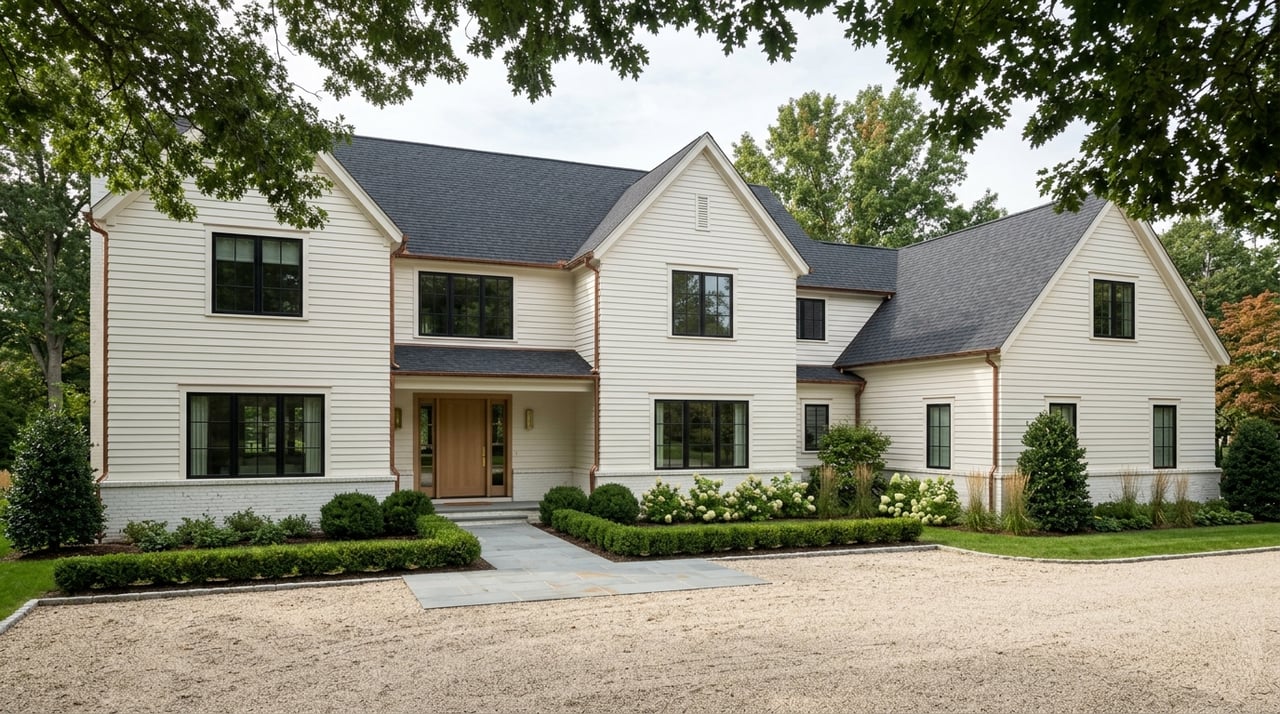
Most new homes in Greenwich are infill or tear-down replacements, with many projects in Riverside, Old Greenwich, Cos Cob, Byram, Glenville, Pemberwick, and central Greenwich. The town’s rules and the lot’s physical conditions shape what you can build and when. Your first stops should be zoning, wetlands, flood, and sewer checks.
- Zoning sets setbacks, floor area, coverage, and design limits. Start with the Town’s Building Zone Regulations.
- Wetlands and upland review areas can add time and conditions. See the Inland Wetlands & Watercourses Agency.
- Coastal and low-lying parcels may sit in FEMA flood zones, which changes design and insurance. Use the FEMA Map Service Center to check an address.
- Sewer access varies by neighborhood. Review DPW guidance and ask about capacity and connection at the DPW Sewer Division document.
Also factor in property taxes. Greenwich completed a town-wide 2025 revaluation. Confirm the current assessment and mill rate on the Town’s 2025 Revaluation page so you can model operating costs on a new build.
Spec, semi-custom, or custom?
Understanding the product type helps you plan timing, selections, and leverage.
- Spec home: Built without a committed buyer. Fastest path to move-in. Limited changes if construction is advanced.
- Semi-custom: A builder template with options you choose early. Good balance of speed and personalization.
- Full custom: You secure land, hire an architect and engineer, and build to your plan. Longest timeline and most decisions, but full control.
If you prefer certainty on timing, a completed or near-complete spec home can work well. If you want to influence layout and finishes and can engage early, semi-custom offers flexibility within a set framework. If you seek a one-of-a-kind result and have a longer runway, custom is the path.
Where builders build and what limits them
Greenwich’s villages each have a different lot pattern and infrastructure. New builds tend to cluster where sites can fit modern footprints or where a tear-down aligns with neighborhood context. Before you fall in love with a parcel, confirm the limits.
- Zoning and overlays: Lot coverage, setbacks, FAR, and special overlays vary by zone. Review the Building Zone Regulations for the exact lot.
- Wetlands and buffers: Greenwich often applies a 100-foot upland review area. Projects near wetlands can require a permit, mitigation, and bonding. Start with the IWWA page.
- Sewer vs septic: Ask DPW if the lot has public sewer, any capacity notes, or nearby projects. If not sewered, plan for a DPH-compliant septic design and perc testing. See DPW’s sewer guidance.
- Flood/coastal exposure: Check FEMA maps. New homes in Special Flood Hazard Areas require elevation, flood-resistant construction, and an elevation certificate. Use the FEMA Map Service Center.
What new homes in Greenwich include
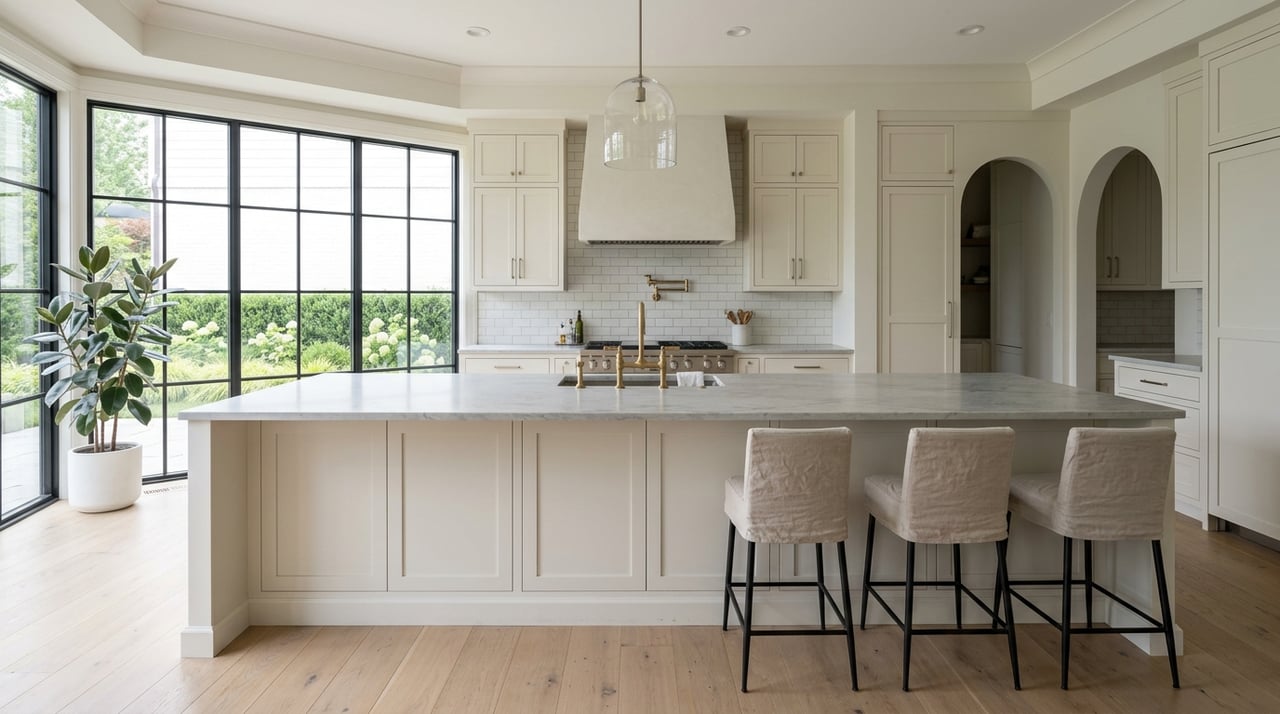
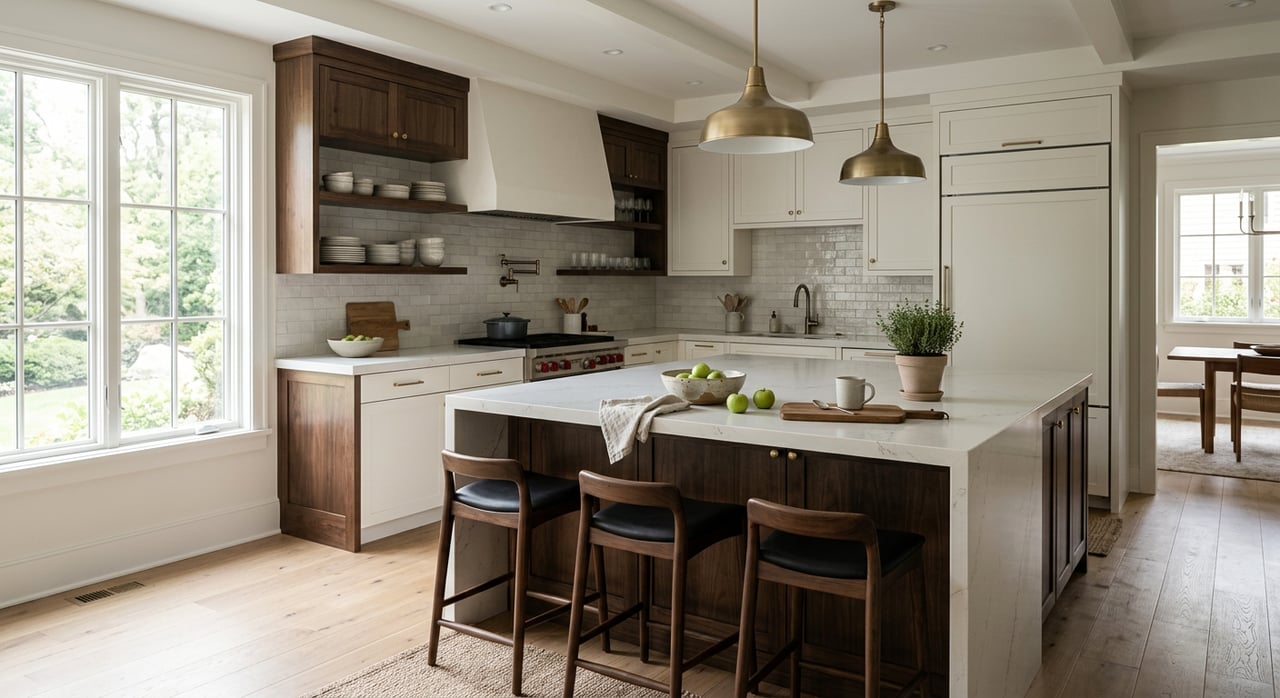
Today’s Greenwich builds lean into high-function layouts and refined finishes. You will often see larger kitchen-family-room spaces, generous mudrooms, indoor-outdoor flow with sliders to terraces, and if the lot permits, a pool or pool house. Flexible rooms remain popular for quiet work and study.
Energy performance is front of mind. Many buyers ask about high-performance windows and insulation, heat-pump HVAC, solar readiness, EV charging, and smart-home systems. National research shows buyer interest in efficient features is rising, which supports long-term value and comfort. See the National Association of Realtors’ note on growing buyer interest in energy efficiency.
Due-diligence checklist for buyers
Buying new construction works best when you verify the site, approvals, and contract structure early. Use this checklist before you sign and again before you close.
Site and municipal checks
- Confirm the zone, allowed use, setbacks, lot coverage, and FAR. Start with the Building Zone Regulations.
- Ask DPW if the parcel is on public sewer, if capacity is adequate, and if future work could affect the property. Review the DPW sewer guidance.
- Identify wetlands, watercourses, and upland review buffers, and whether a Greensheet or permit is needed. Begin at the IWWA page.
- Check FEMA maps and request any existing elevation certificate if the lot is near a flood zone. Use the FEMA Map Service Center.
- Obtain a current boundary survey and review recorded easements and rights-of-way. Many permits will require a stamped survey. See the Town’s permit application process for submittal standards.
Permits and approvals
- Confirm required permits and staging for building, trades, and final inspections. Review the Town’s permit application process.
- For parcels near wetlands or the coast, request copies of any IWWA or P&Z approvals and note conditions like stormwater controls, mitigation planting, and bonds. Start with the IWWA page.
Contracts, financing, and protections
- Clarify whether you are buying a completed spec, a pre-construction home, or entering a custom build. Get the deposit schedule, allowances, change-order pricing, and warranty terms in writing.
- If you need construction financing, compare construction-to-permanent loans and any builder-lender offer. Understand draws, rate locks, and inspection triggers. A practical primer is available on construction loan requirements and process.
- Require lien releases with each draw and final waivers at closing. Ask your title company about coverage for mechanics’ lien risk. See Connecticut’s mechanics’ lien statutes.
Inspections, punch lists, and handover
- Hire an independent inspector for at least pre-drywall and final inspections. Town inspections are required, but your inspector focuses on your interests.
- Do not close until the Certificate of Occupancy is issued. You can verify how the Town sequences inspections and C.O. on the Building Inspection page.
- Collect as-built mechanical and electrical documentation, appliance manuals, and written warranties at handover.
Environmental and insurance notes
- For low-lying or coastal parcels, quantify flood insurance needs early using FEMA mapping and your insurer’s estimate.
- If you are comparing to an older renovated property, consider environmental testing appropriate for legacy materials. New homes typically avoid many legacy hazards.
New build vs renovated older home
A new build usually gives you modern code compliance, efficient systems, and a layout tailored to how you live. Warranties, cleaner operating costs, and energy features can strengthen long-term value. National data also shows buyers increasingly prioritize efficiency, which supports resale.
The tradeoffs: new construction can cost more upfront, permits and site work can add time, and coastal or wetland rules can add complexity. A detailed budget that includes site conditions, utilities, taxes, insurance, financing, and a schedule buffer will help you compare apples to apples with an updated older home. If you value architectural character and mature landscaping, a renovated legacy home can be compelling, but build in a contingency for hidden conditions once walls open.
Practical next steps
- Shortlist lots and new-home listings. Pull the Town’s permit and IWWA file for each address to see prior approvals, open conditions, and bonds. Start with the permit process.
- Call DPW’s Sewer Division to confirm connection and capacity notes for your shortlist. Review their sewer guidance for context.
- Order a current boundary survey early. If the lot is near a flood zone or watercourse, plan for specialized engineering and topographic detail.
- Ask the builder for their registration, recent local references, sample contract, schedules, allowances, and warranty booklet. Confirm how they handle lien releases and insurance certificates.
- If financing is needed, compare construction-to-permanent options and any builder incentives. Read disclosures carefully and shop terms. A helpful overview is the construction loan process.
- Build independent inspection milestones into your contract and require a C.O. before final payment. You can confirm inspection sequencing on the Building Inspection page.
When you have the right parcel, approvals path, and contract protections, new construction in Greenwich can deliver a home that fits your life today and supports long-term value. If you want a senior-level perspective on sites, approvals, budgets, and builder selection, we are here to help. Request a private, confidential conversation with Charles Paternina.
FAQs
How long does new construction take in Greenwich?
- Most buyers should plan 12 to 24 months from land contract to move-in, depending on design complexity, wetlands or coastal approvals, utility work, and builder capacity.
What permits do I need for a Greenwich new build?
- You will need a building permit plus staged trade permits and inspections, with a Certificate of Occupancy at the end; start with the Town’s permit process overview.
How do wetlands rules affect building in Greenwich?
- Parcels near wetlands or watercourses often trigger IWWA review, buffers, and conditions like stormwater controls and mitigation; consult the IWWA page early.
Do I need flood insurance for a coastal or low-lying parcel?
- If FEMA maps show your lot in a Special Flood Hazard Area, elevation standards apply and flood insurance is typically required by lenders; verify via the FEMA Map Service Center.
Is my lot on public sewer or septic in Greenwich?
- Some areas connect to town sewer while others rely on septic; ask DPW about connection and capacity and review their sewer guidance.
What kind of warranty comes with a new home?
- Builders often provide written coverage for workmanship, systems, and structural elements on defined timelines; confirm exact terms, claim process, and response times in your contract.
How do construction-to-permanent loans work for buyers?
- A single loan covers construction draws and then converts to a standard mortgage at completion; compare rate locks, draw inspections, and costs using a construction loan overview.