If your Greenwich home may appeal to an overseas buyer, your listing needs to do more than look beautiful. It needs to make sense from a distance. Many international buyers begin online, may live abroad during the search, and often purchase at the upper end of the market, so your home has to communicate value, layout, and livability clearly before a showing ever happens. That is where thoughtful preparation can make a meaningful difference. Let’s dive in.
Why international-ready matters in Greenwich
Greenwich sits in a unique position for cross-border demand. The town notes that it is the closest Connecticut town to New York City, about 28 miles away, with access via Metro-North, I-95, the Merritt Parkway, and U.S. Route 1. That commuter location matters because buyers considering the New York corridor may evaluate Greenwich as part of a broader relocation or second-home decision.
Recent international-buyer data from the National Association of Realtors shows that foreign buyers purchased 78,100 homes worth $56 billion, with 47% paying cash and 44% living abroad. New York accounted for 7% of foreign-buyer destinations, and foreign buyers were more likely to purchase at the upper end of the market. For a Greenwich seller, that means your buyer may be sophisticated, remote, and ready to act quickly if the home is presented well.
Build a listing that works remotely
When a buyer is not local, clarity becomes part of the marketing strategy. According to the 2025 NAR home buyer survey, the most useful online tools included photos (83%), detailed property information (79%), floor plans (57%), and virtual tours (41%). The same report found that many buyers begin online and may view some homes only digitally.
That pattern matters even more for international buyers. If a person is comparing properties from another country or across time zones, they should be able to understand your home without needing repeated in-person explanation. In practice, that means every listing asset should answer simple but important questions: How does the home flow? How large do the rooms feel? What is the approach to the property? Which features are easy to miss in standard photos?
Prioritize floor plans and photography
A strong floor plan is one of the most important assets you can have. Zillow consumer research cited in the NAR report ranked floor plans as the single most important listing feature, ahead of high-resolution photos and 3D or virtual tours. For a Greenwich home, that can help a remote buyer understand formal and informal spaces, bedroom separation, guest accommodations, home office placement, and the relationship between indoor and outdoor areas.
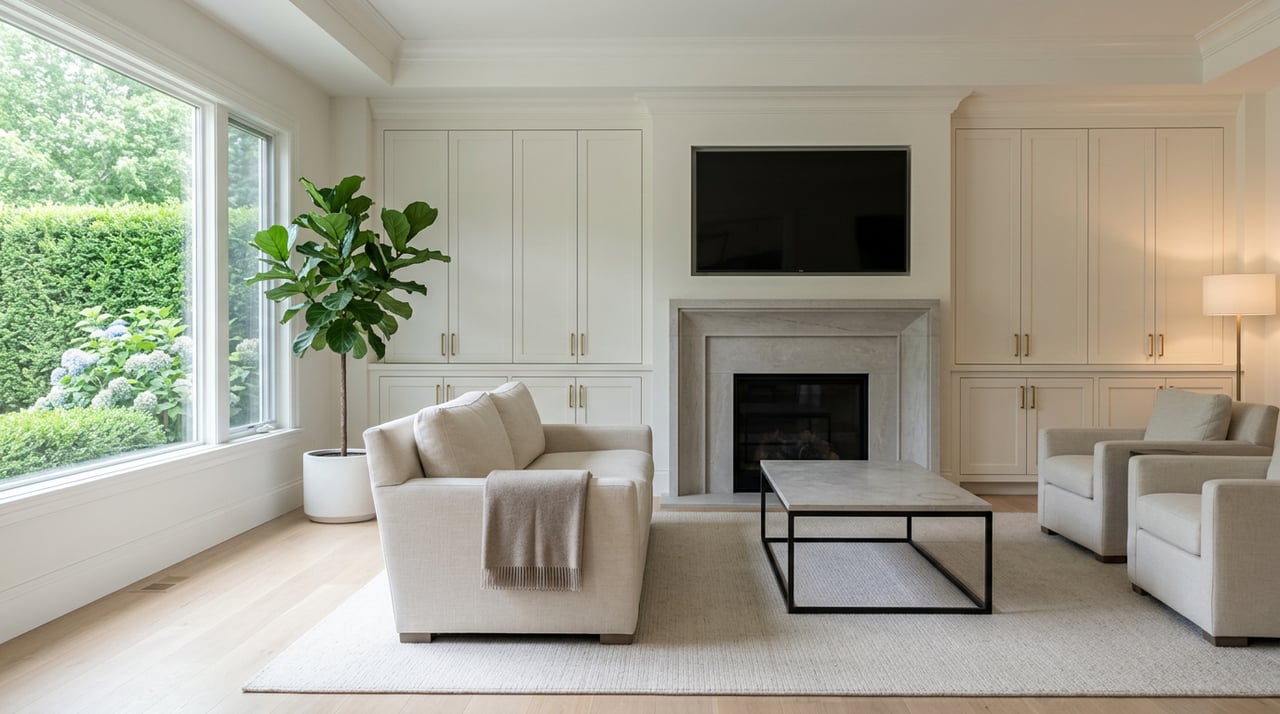
Photography still carries enormous weight, but it should do more than create mood. It should help a buyer read the property accurately. Wide, bright images that show sightlines, scale, and natural light tend to be more useful than overly stylized shots that leave the layout unclear.
Add details that remove guesswork
Detailed property information is nearly as important as photos. A remote buyer may not know local shorthand, so your listing should describe the home in plain, precise terms. Room names, approximate use, and notable features should be easy to understand at a glance.
Useful details often include:
- Clear room labels on the floor plan
- Notes about circulation between main living areas
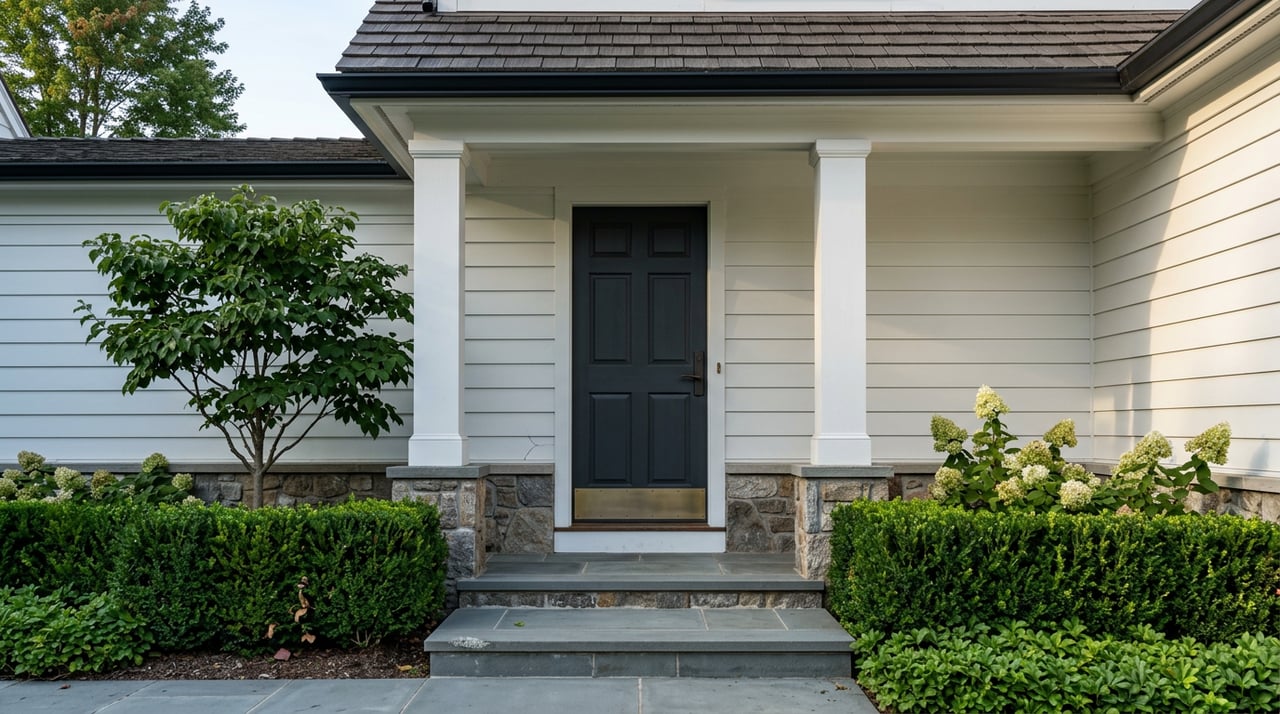
- Exterior descriptions that explain approach, entry, and outdoor entertaining areas
- Straightforward explanations of special features such as a finished lower level, guest suite, screened structure, pool house, or EV charging setup
Stage for clarity, not just style
Staging can be especially helpful when the buyer is trying to interpret the home from a screen. The 2025 NAR staging snapshot found that 83% of buyers’ agents said staging made it easier for buyers to visualize the home as a future residence. That is important in any market, but even more so when your audience may be making early decisions from abroad.
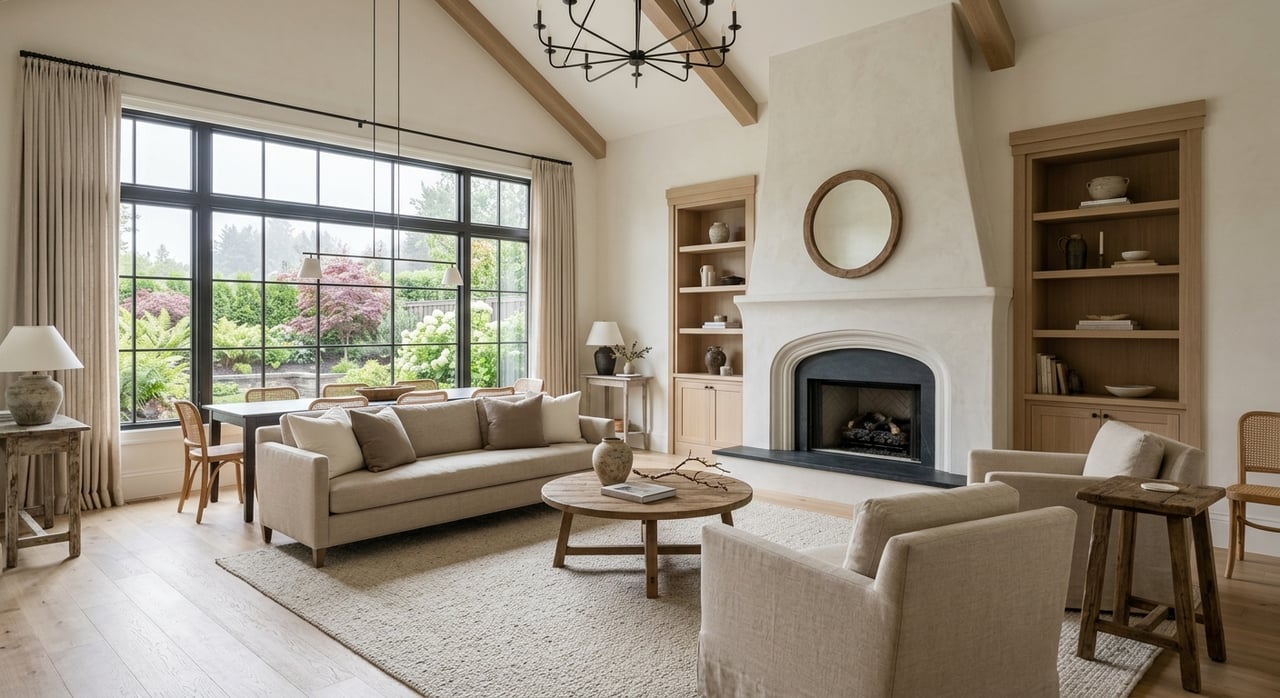
For Greenwich sellers, the goal is not to over-style a home. It is to make each room feel intentional, easy to understand, and move-in ready. NAR found that the most commonly staged rooms were the living room, primary bedroom, and dining room, which makes sense because these spaces often anchor a buyer’s sense of daily life in the home.
Focus on the rooms buyers read first
If you are preparing for international exposure, start with the spaces that do the most explanatory work:
- Living room
- Primary bedroom
- Dining room
- Kitchen
- Home office or study
- Outdoor entertaining areas
Each room should have a clear purpose. If a buyer sees an oversized bonus room with mixed furniture and no visual cues, they may struggle to assign value to it. A simple, clean setup helps the room tell its own story.
Prepare a true turnkey handoff
For many international buyers, a home that feels easy to operate can be more appealing than one with a long list of unexplained features. Turnkey does not just mean clean and polished. It also means the home is functional, understandable, and ready for a smooth transfer.
This is especially important with smart-home technology. According to NAR’s guidance on selling smart homes, sellers should inventory connected devices, decide what stays and what goes, and factory-reset devices before transfer where appropriate. NAR also notes that smart thermostats, switches, locks, security wiring, Ethernet, and EV-charging infrastructure can add value, while items like hubs and voice assistants may be treated differently as personal property.
Create a smart-home checklist
Before the first overseas showing, have a simple inventory ready that covers:
- Smart thermostats
- Smart switches or lighting controls
- Smart locks
- Security systems or security wiring
- Ethernet wiring or networking equipment
- EV charging equipment
- Hubs, cameras, or voice assistants
This helps avoid confusion later. It also gives your agent the ability to explain the home confidently during a virtual showing or in follow-up communication.
Make the home easy to inherit
A concise seller packet can be very useful for remote buyers. It does not need to be long. It should simply explain what stays with the property, what has been reset, and how the main systems work.
That packet may include:
- A list of included smart-home features
- Basic operating notes for heating, cooling, lighting, security, and gate or garage systems
- Reset status for connected devices
- Key service contacts if applicable
Plan for virtual showings across time zones
International readiness is also about communication. If a buyer or co-broker is abroad, scheduling and responsiveness can affect momentum. Because many foreign buyers live outside the U.S., virtual showings and time-zone-friendly coordination should be treated as part of the listing plan from the beginning, not improvised after interest appears.
The National Association of Realtors also maintains a Certified International Property Specialist network spanning more than 60 countries, along with global alliances connected to nearly 80 countries. For a Greenwich seller, that supports a more coordinated approach when multilingual communication, cross-border referrals, or one-to-one brokerage collaboration are needed.
What to have ready before the first virtual tour
A polished virtual showing usually works best when your agent has immediate access to:
- Floor plans
- High-resolution photography
- A virtual tour or walkthrough video if available
- A concise property summary
- Notes on recent updates and special features
- Smart-home inventory and what conveys with the sale
Just as important, the person presenting the home should be prepared to narrate clearly. A remote buyer may need more context about room flow, ceiling height, privacy, storage, outdoor spaces, and how the home lives day to day.
Keep your messaging precise and globally understandable
One common mistake in luxury marketing is assuming the buyer already understands the local context. International buyers often do not. Your listing should avoid vague phrases and instead favor specifics that travel well across markets.
For example, rather than relying on shorthand, your marketing can describe what a buyer can verify from the home itself: commute access, layout, land use, entertaining areas, technology, and overall condition. The town’s own materials note Greenwich’s transportation links and proximity to New York City, which can help frame location in factual terms for a cross-border audience.
This is where a more tailored marketing approach can help. Curated presentation, long-form property storytelling, and clear digital assets give remote buyers more confidence to engage seriously.
A thoughtful strategy can widen your buyer pool
Preparing your Greenwich home for international buyers is not about changing the property. It is about reducing friction. When your home is easy to understand online, visually coherent, properly staged, and ready for a smooth smart-home handoff, you make it easier for serious buyers to picture ownership from wherever they are.
That kind of preparation aligns well with the Greenwich market, where quality presentation, discretion, and strategic coordination matter. If you are considering a sale and want a senior-led, tailored approach to positioning your home for local, national, and international exposure, Charles Paternina can help you plan the process with care and precision.
FAQs
What should a Greenwich seller prepare before an overseas home showing?
- Have professional photos, a floor plan, detailed property information, a smart-device inventory, and a simple summary of recent updates and special features ready before the first virtual or overseas showing.
Which listing assets matter most for international buyers viewing a Greenwich home remotely?
- Based on NAR buyer data, the most useful assets are photos, detailed property information, floor plans, and virtual tours, with floor plans playing a particularly important role in helping remote buyers understand layout.
Which smart-home devices should stay with a Greenwich property when selling to an international buyer?
- NAR notes that items such as smart thermostats, switches, locks, security wiring, Ethernet, and EV-charging infrastructure can be value-adds, while personal-property items like hubs and voice assistants should be identified clearly and handled separately.
How can a Greenwich listing be easier for a non-local buyer to understand?
- Use clear room labels, accurate floor plans, straightforward descriptions, and visuals that explain scale, flow, exterior approach, and any features that may not be obvious from photos alone.
How should communication work when an international buyer for a Greenwich home is in another time zone?
- The process works best when virtual showing options, multilingual communication where needed, and prompt coordination with overseas buyers or co-brokers are built into the listing plan from the start.