Thinking about trading your Manhattan apartment keys for a Greenwich front door? You are not alone. Many NYC buyers look north for more space, fresh air, and a calmer daily rhythm. The biggest surprises are not just price and style. They are how ownership works, how much land you get, how you commute, and how the purchase and carrying costs feel month to month. In this guide, you will see the key differences so you can plan with confidence. Let’s dive in.
Market snapshot: what your budget meets
Before you start touring, set expectations with current numbers. As of February 2026, the Greenwich median sale price is about $1.9 million, according to Redfin’s market data. Pricing varies widely by neighborhood, lot size, and condition, but this gives you a baseline for the level of home and land many buyers target.
Space and lots: why homes feel bigger
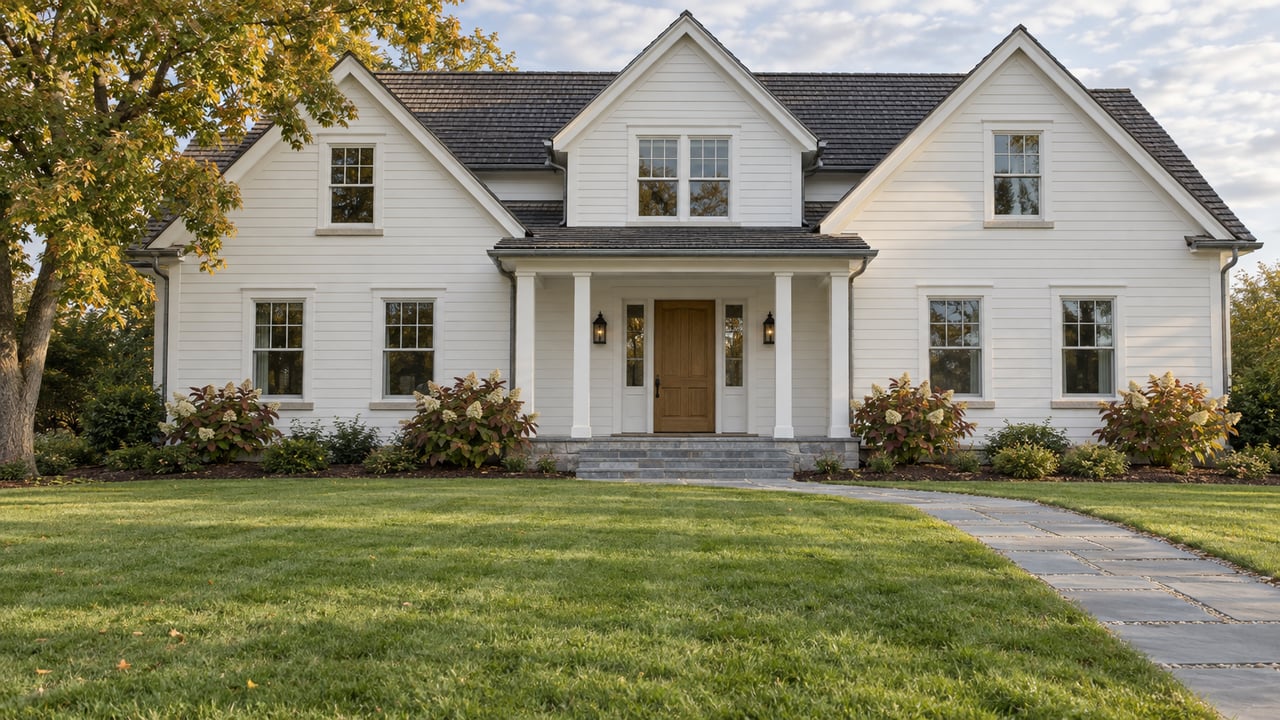
The first difference you notice is private space. Many Greenwich single-family homes include a yard, driveway, and often a garage. Storage and privacy feel different when you own the land around your home. In Manhattan, shared hallways, elevators, and rooftop terraces take the place of a private yard.
Greenwich feels open for a reason. Town zoning sets minimum lot sizes that limit density. For example, residential zones include RA-4 at 4 acres, RA-2 at 2 acres, RA-1 at 1 acre, and R-20 at 20,000 square feet. Even the smaller-lot zones, like R-12 at 12,000 square feet and R-7 at 7,500 square feet, are still generous by city standards. You can review the official zoning schedule in the Town of Greenwich residential zoning table.
Contrast that with Manhattan, where the housing stock is overwhelmingly multi-unit, and buildings of 20 or more units make up the bulk of homes. That is a very different living pattern than detached homes with yards. See a summary of New York County housing composition in this census-based overview.
What this means for you: more privacy and outdoor living, along with more responsibility for exterior maintenance. You gain room for additions or amenities where allowed by zoning. You also take on lawn care, snow removal, and longer project timelines than most apartment renovations.
Ownership structures: co-ops vs fee simple
If you own in Manhattan, you likely bought a co-op or condo within a multi-family building. That means building rules, board governance, and common charges that cover shared expenses. Many NYC buildings also require robust documentation and board approval when you buy or sell.
In Greenwich, most purchases are fee simple single-family homes. You own the structure and the land. That gives you more control over your property and usually no board approval, but also puts you in charge of the roof, exterior, landscaping, and systems. The housing stock data shows this single-family tilt, even as the town includes pockets of condos and townhomes near downtown and the rail corridor. See a town profile at Data USA’s Greenwich page.
For buyers coming from co-ops, this is a meaningful shift. Co-op purchases involve board packages, interviews, and proprietary lease rules. Those steps are not part of most fee simple transactions. For a primer on how co-op approvals work, review this overview of NYC tenant and co-op processes on Scribd.
Commuting and daily logistics
Greenwich is built for a workable New York commute. You have four Metro-North New Haven Line stations to choose from: Greenwich, Cos Cob, Riverside, and Old Greenwich. Express trains to Grand Central commonly run about 45 to 55 minutes, with locals adding 10 to 20 minutes depending on schedule. Check the current MTA New Haven Line timetable for train-by-train times.
Plan for the first and last mile. Station parking can involve daily lots or permit waitlists. Many residents walk, bike, carpool, or use rides to the station. Expect a few extra minutes door to platform compared with an elevator ride to a subway. Local commuting norms and station details are summarized in this Greenwich commuter guide.
Lifestyle tradeoff: your commute buys you private space, a yard, and a calmer daily rhythm. If you are hybrid or part-time in the office, the tradeoff can be a clear win. If you are five days a week in Midtown, build train times and parking plans into your routine.
Closing timelines and what changes in the process
Most Connecticut single-family purchases follow a familiar sequence: inspections, mortgage underwriting if financed, title search, and any municipal or site-specific reviews that apply. When financing is straightforward and the property is on municipal services with clear title, many closings complete in 30 to 60 days after offer acceptance. Older homes or unique properties can run longer depending on findings and approvals.
If you have only bought in NYC co-op buildings, timing will feel different. Co-ops add a board package, interview, and approval step that can add weeks or even months. Requirements vary by building and may also add conditions to a deal. For context on why co-op transactions can take longer, see this co-op approval overview.
Greenwich single-family due diligence focuses on the house and the land. Standard items include a home inspection, title exam, and where applicable, septic or well inspections and a review of any wetlands, conservation, coastal, or historic-area considerations. Zoning rules and setbacks inform what you can do with a property over time. You can reference the Town zoning table to understand lot size, floor area ratio, and setback limits.
Carrying costs: what to budget for
Property taxes: Town-level profiles show a median property tax around $3,183 in Greenwich, though your actual bill depends on assessed value and exemptions. Always verify the current tax bill for any listing. See the town profile at Data USA. For many NYC buyers, property taxes and direct maintenance can feel higher in absolute dollars than apartment maintenance charges because you are now paying costs directly on a larger parcel and structure.
Insurance and utilities: Single-family homes typically carry higher homeowner insurance premiums than apartments. Larger footprints, basements, and coastal exposure can increase costs. Waterfront or near-water properties may require flood coverage. Utility costs will scale with square footage and systems.
Maintenance: Plan annual budgets for landscaping, tree work, snow removal, exterior cleaning, roof and gutter care, and system servicing. If the home has a pool, tennis court, generator, or complex hardscaping, add those lines. These are the expenses that apartment buildings roll into common charges. You now manage the vendors and the timing.
A practical mapping from NYC to Greenwich
Use this quick translation to set expectations:
- Space and land: Expect a yard and more storage. Zoning minimums like 7,500 square feet in R-7 up to multi-acre RA zones explain the lower density. Review the zoning schedule for specifics.
- Ownership and approvals: Fee simple ownership usually means no board approval. You will see municipal permits and site checks instead. For co-op buyers, this often feels simpler and faster. For a co-op process refresher, see this NYC co-op primer.
- Timing to close: Many CT single-family deals close in 30 to 60 days when clean. Co-ops can take longer due to board steps. Condo and cash sales vary by terms and due diligence.
- Monthly and annual costs: Budget for property taxes, insurance, and direct maintenance. Verify the current tax bill and get insurance quotes early. See town-level context at Data USA.
- Daily rhythm: Plan the first and last mile to the train. Check the MTA timetable and research parking or walking options near your preferred station.
How to get oriented fast
If Greenwich is on your shortlist, take these steps to move from research to clarity:
Align your wish list with zoning. If you want a pool, sport court, or an addition, confirm what the lot and setbacks allow. Start with the Town zoning table and discuss with your advisor and a local architect if needed.
Model your carrying costs. Pull the current property tax bill, estimate insurance, and price out lawn and snow contracts. Use your NYC maintenance charges as a baseline, then adjust for land and systems.
Test your commute. Ride a weekday express from your likely station, try parking or walking, and time the full door-to-desk routine. Check the MTA schedule for your time bands.
Prepare for a different contract flow. Connecticut purchase agreements, inspections, and title steps feel different from NYC co-op packages. Build a 30 to 60 day window into your planning and expect variations based on findings.
Assemble the right team early. A local buyer’s broker and a real estate attorney will flag zoning, title, septic, and coastal considerations quickly and keep timelines realistic.
Ready to compare specific neighborhoods and properties to your NYC baseline? For senior-level, discreet guidance across both markets, connect with Charles Paternina. You will get data-driven counsel, cross-market coordination, and a clear plan from first tour to closing.
FAQs
How long is the Greenwich-to-NYC commute by train?
- Express Metro-North trains from Greenwich to Grand Central typically run about 45 to 55 minutes, with locals adding 10 to 20 minutes. Always confirm your options on the MTA New Haven Line timetable.
Will I have a yard if I buy in Greenwich?
- Most single-family homes sit on private lots, with minimums ranging from 7,500 square feet in R-7 zones to multi-acre parcels in RA zones. Review the Town zoning table for specifics by area.
Will buying in Greenwich take longer than buying in NYC?
- It depends. Many Connecticut single-family closings complete in 30 to 60 days when straightforward, while NYC co-op deals often take longer due to board approvals and documentation. See this co-op process overview for context.