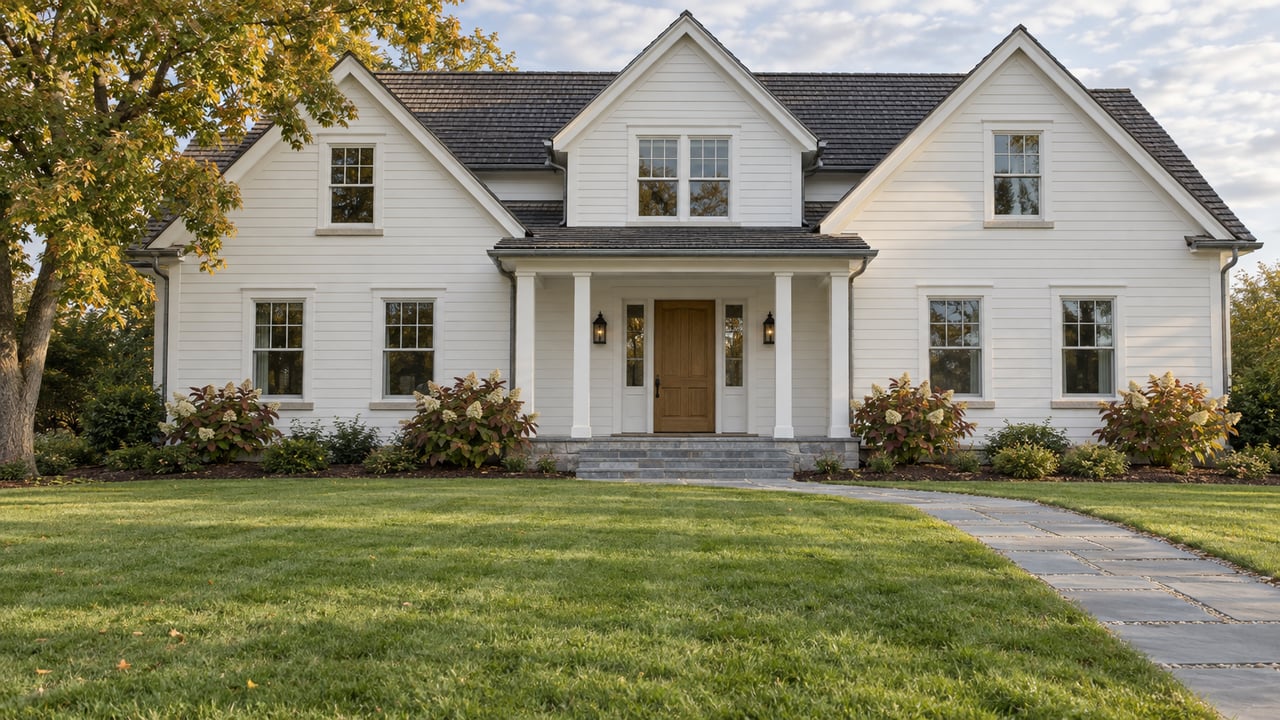
Are you wrestling with how to price your Greenwich luxury home without leaving money on the table? You are not alone. At the high end, the buyer pool is smaller, properties are more unique, and market signals can feel noisy. In this guide, you will learn how to set a defensible list price that attracts the right buyers, supports negotiations, and protects your outcome. Let’s dive in.
What “luxury” means in Greenwich
In Greenwich, luxury typically starts in the multi‑million‑dollar range, with trophy estates reaching well above that depending on location and amenities. In many market studies, luxury means the top 5 percent of sales by price within a metro area. Practically, you should use local MLS analytics to pinpoint the current top‑tier cutoff in Greenwich before you set a pricing strategy.
Luxury also behaves differently than the broader market. Inventory is limited and highly varied, seasons matter, and macro conditions can shift sentiment quickly. Spring and summer often bring more qualified activity, while waterfront and estate segments can show very different absorption rates than in‑town offerings. Expect a longer timeline and plan your price to reflect that.
Know the market context
Before you pick a number, ground your thinking in the data that matters. Start with recent solds and pendings in your specific micro‑market. Look at months of supply and list‑to‑sale ratios for homes that mirror your profile, such as waterfront, in‑town luxury condos, or backcountry estates. Consider your likely buyer group, including New York City professionals, second‑home and international buyers, and downsizers seeking high‑service living. Each pool searches by price bands, features, and location cues, so your list price should align with how those buyers shop.
Build a defensible price
A strong asking price comes from multiple lenses, not a single metric.
- Comparative Market Analysis (CMA). Start with very recent sales, ideally within the past 6 to 12 months, and stay within your micro‑market. Prioritize like‑for‑like attributes over broad averages, such as true waterfront vs. near‑water, acreage vs. standard lots, and architect or builder caliber.
- Adjusted price per square foot. Use it as a cross‑check, not a rule. In luxury, ceiling height, craftsmanship, site design, privacy, and long views can swing value more than size alone.
- Appraisal. If your home is complex or the comps are thin, a pre‑listing appraisal can add credibility and help align expectations. Appraisers will also use comps and adjustments, but their report supports price in later negotiations.
- Income context. If the property has rental history or short‑term leasing potential, you can add an investment lens. It is rarely the primary driver for owner‑occupied estates, but it can support your range.
Choose the right comparables
The quality of your comps will make or break your pricing case.
Time window
Focus on sales from the last 6 to 12 months. If inventory is thin, extend to 12 to 24 months and adjust for any changes in market direction.
Geography
Stay hyper‑local. Greenwich micro‑markets like Belle Haven, Riverside, Greenwich Point, in‑town near Greenwich Avenue, and backcountry estates price differently. Cross‑neighborhood comparisons often need careful adjustments.
Property attributes
Align bed and bath counts, lot size and usable acreage, waterfront type and shoreline quality, year built and level of renovation, and any significant architectural pedigree. Note the presence of guest houses, indoor or outdoor pools, tennis courts, and large garages.
Condition and quality
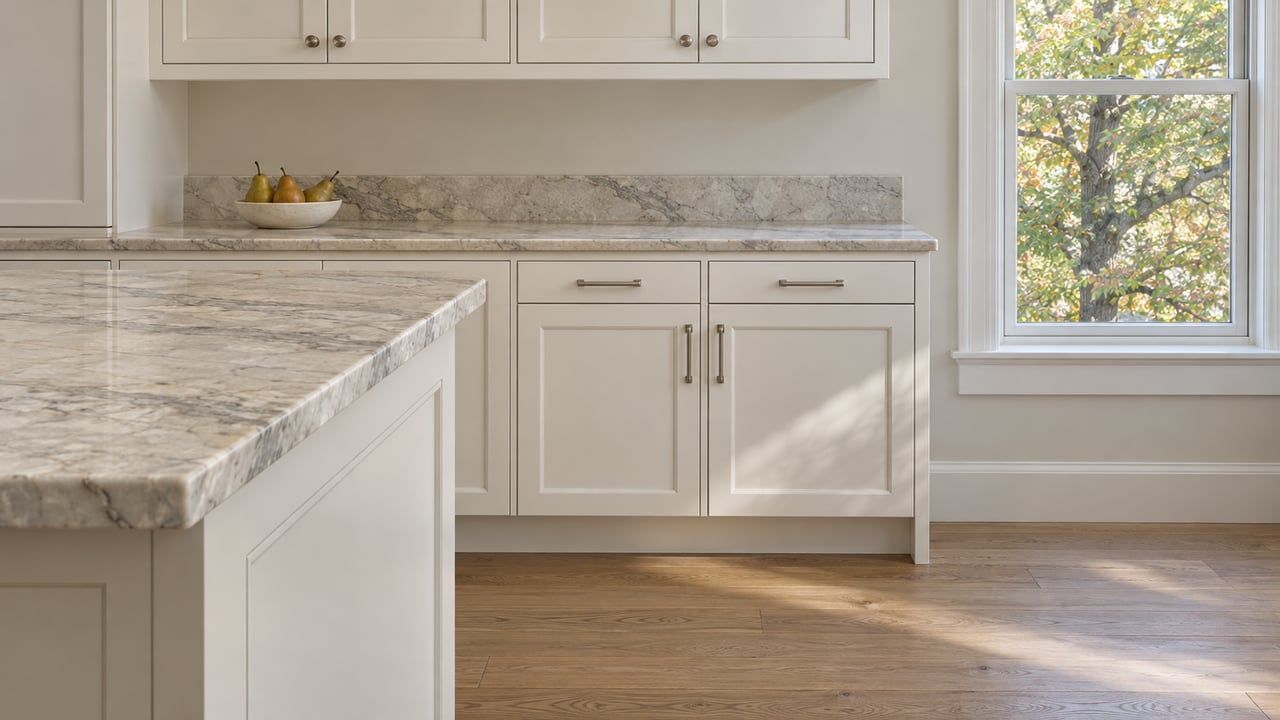
Be honest about finish level and systems. Kitchens, baths, roofs, HVAC, windows, and smart home features influence buyer confidence and price. A true turnkey home typically commands a premium.
Unique features
One‑of‑a‑kind amenities such as a private dock, long water views, a helipad, championship‑level courts, or equestrian facilities may need specialized comps or dollar add‑ins rather than a generic per‑square‑foot uplift.
Adjust for Greenwich value drivers
Pricing accuracy depends on how you weigh local factors that high‑end buyers prioritize.
Waterfront and views
Not all water access is equal. Long panoramic views, a sandy private beach, or a high‑quality dock can command a significant premium compared to partial views or seawall frontage. Floodplain and coastal considerations also affect value and insurability, so price with those realities in mind.
Acreage and privacy
In backcountry and estate areas, usable, buildable acreage and privacy become central to price. Mature landscaping, gated entries, and thoughtful site lines often lift perceived value.
Renovation and systems
Newer or thoroughly renovated homes with modern systems, smart controls, and energy‑efficient upgrades usually sell faster and closer to ask. When possible, make dollar‑based adjustments for high‑impact improvements, such as a top‑tier kitchen or a new roof, to avoid overreliance on percentages.
Amenities and ancillary structures
Guest houses, staff quarters, indoor pools, tennis courts, and collector‑grade garages matter in this segment. Price these thoughtfully using a mix of local comps and realistic replacement cost estimates.
Access and convenience
Proximity to downtown amenities, train stations for NYC access, marinas, and clubs influences demand. Walkability and ease of commute carry real weight for many buyers who split time between Greenwich and the city.
Taxes, zoning, and practical costs
Carrying costs affect what buyers will pay. Greenwich property taxes vary by location and can impact valuation sensitivity. Zoning, setbacks, and permit history shape what is possible on the site, which in turn affects price. For waterfront properties, be clear on flood maps, insurability, and any coastal or wetland regulations that could limit future changes. Confirm and disclose known issues early to preserve leverage.
Pricing tactics that work
Your list price sets the tone for discovery and negotiation.
- Psychological banding. Buyers search within bands. A price at the top or bottom of a band can change who sees your home and how often it is shown.
- Anchoring and narrative. Support your price with a documented CMA, high‑quality visuals, and a clear story about what the property offers that comps do not. Credibility invites stronger offers.
- Private preview or off‑market period. A short private phase can test interest with a known buyer list and protect privacy. Use this selectively, since broader exposure often drives better price discovery.
- Auction contexts. Rare, but appropriate for uniquely significant estates where speed or publicity is a priority.
Time your launch
Aim for a season with stronger buyer activity. Spring and summer often produce more showings and travel from out‑of‑area buyers. That said, serious buyers transact year‑round. If you have a unique asset and limited competing inventory, a well‑prepared winter launch can still perform. What matters is the quality of presentation, the credibility of your price, and disciplined follow‑through.
Prep and presentation
First impressions carry significant value in the luxury segment.
- Pre‑listing inspection and appraisal. Address issues early or document them clearly to maintain trust.
- Disclose system ages and maintenance. Transparency reduces friction and protects price.
- High‑impact updates. Fresh landscaping, lighting, paint, and minor repairs deliver strong ROI.
- Premium media. Commission top‑tier photography, drone imagery for waterfront or large lots, floor plans, and a 3D tour to help remote buyers engage.
- Staging strategy. Full or partial staging clarifies scale and lifestyle. Even well‑furnished homes benefit from editorial staging to frame sightlines and key rooms.
Measure and adapt
Track momentum from day one and set a formal review window to protect your pricing power.
- Days on market. Monitor how you compare to similar actives and recent sales.
- Showings and private tours. Count weekly cadence and quality of buyer feedback.
- Online engagement. Watch saves and inquiries alongside in‑person traction.
- List‑to‑sale ratio and absorption. Stay close to micro‑market shifts and competitor price changes.
If momentum is soft after an agreed period, a focused adjustment can be better than lingering. Early, strategic action preserves leverage and signals seriousness.
Common seller questions
- Should you price high to leave room to negotiate? Overpricing can limit showings and miss buyers who search within defined bands. A well‑justified, credible price typically draws stronger offers.
- Is an off‑market sale better? It can be, if you have a vetted buyer list or strict privacy needs. Understand that limited exposure can reduce competitive bidding.
- Does staging and premium marketing pay off? Yes. At this level, best‑in‑class presentation and targeted outreach are often the difference between a single soft offer and multiple strong ones.
- Do price reductions hurt perception? They can. If traction is low, a measured early adjustment is usually better than months of inactivity.
A senior‑level path to a better outcome
Pricing a luxury home in Greenwich is both art and analysis. You need accurate comps, thoughtful adjustments for local value drivers, a credible narrative, and a disciplined plan to measure and adapt. When you bring financial rigor and concierge execution together, you protect your time and your final result.
If you would like confidential, senior‑led advice tailored to your property, request a private conversation with Charles Paternina. Our boutique team combines institutional‑grade pricing discipline with micro‑market expertise, multilingual reach, and bespoke marketing to help you list with confidence.
FAQs
What defines a luxury home price point in Greenwich?
- In practice, luxury starts in the multi‑million‑dollar range and aligns with roughly the top 5 percent of local sales by price within the Greenwich market.
How far back should I go for luxury comps in Greenwich?
- Prioritize sales from the last 6 to 12 months in the same micro‑market, extending to 12 to 24 months only if inventory is thin and adjusting for market direction.
Do waterfront and long water views materially change price?
- Yes, waterfront quality and view depth are major drivers, and differences such as private beach vs. seawall frontage can lead to significant pricing adjustments.
Is spring the best season to list a Greenwich luxury home?
- Spring and summer often bring more showings and travel from qualified buyers, but a well‑prepared listing can perform year‑round when competition is limited.
Are off‑market sales effective for high‑end Greenwich estates?
- Off‑market periods can work for privacy or targeted buyers, though broader exposure typically improves price discovery and competitive leverage.