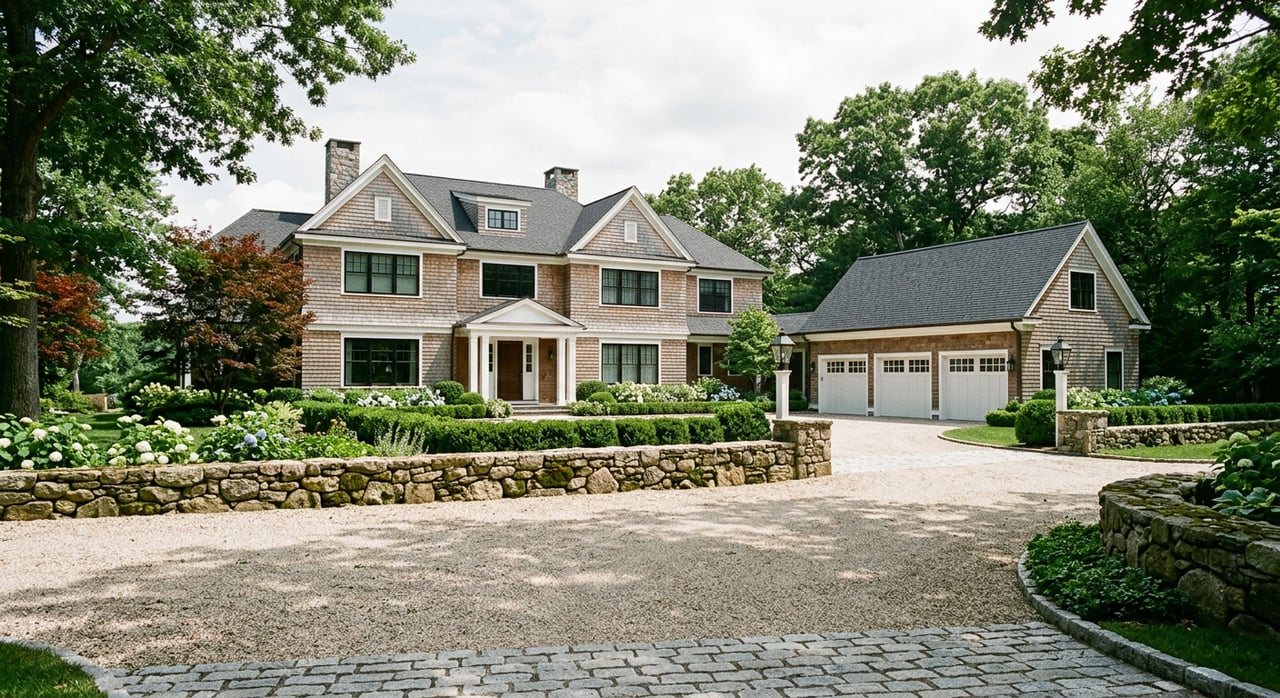
Two homes can look nearly identical on paper yet sell for very different prices in Greenwich. If you have ever wondered why a one‑acre Colonial trades faster than another just a few minutes away, the answer usually lies in the micro‑market. Each part of town offers a distinct mix of lot size, housing stock, access, and amenities that shifts both pricing and days on market. In this guide, you will learn how Greenwich’s core micro‑markets work, what drives value in each, and how to read comps with confidence. Let’s dive in.
What micro‑markets mean in Greenwich
A micro‑market is a sub‑area where a consistent set of features produces a clear price pattern. In Greenwich, local planning documents describe a town of villages and varied residential zones rather than a single uniform market. That structure creates meaningful, street‑by‑street differences for buyers and sellers. You get better results when you value a home within the right local frame, not across the entire town. For context on how the town thinks about sub‑areas, review the planning overview in the Greenwich Plan of Conservation and Development.
Town snapshot: prices and pace
- The Greenwich Association of REALTORS reported a 2025 year‑end single‑family median sale price near $3.15M and average days on market around 70 days. See the MLS‑based summary in the GAR year‑end 2025 update.
- Zillow’s January 31, 2026 ZHVI lists a typical Greenwich home value near $2.19M, with a shorter median days‑to‑pending on its public page. View the current snapshot on Zillow’s Greenwich values.
- Redfin’s January 2026 snapshot places the citywide median sale price close to $3.0M, and shows wide neighborhood variation. Explore the public data on Redfin’s Greenwich market page.
These sources use different data and methods, which is why numbers vary. Use GAR and local MLS for official counts, and use public portals to see quick, directional trends.
Four Greenwich micro‑markets
Backcountry
Backcountry sits north of the Merritt Parkway with large estate parcels and a country setting. Zoning bands like RA‑4 and RA‑2 set minimum lot sizes of about 4 acres and 2 acres, with RA‑1 at 1 acre, which preserves privacy and limits density. You can confirm minimums in the town’s Building Zone Regulations.
Homes here range from historic compounds to modern, amenity‑rich estates with long drives, guesthouses, and pools. The acreage and permitted house size create a premium per property. Because inventory is thinner, results can be more volatile and days on market longer for listings that overreach. For a lifestyle overview, see the Backcountry neighborhood guide on Homes.com.
Mid‑country
Mid‑country generally lies between the Merritt and the Post Road, with many lots in RA‑1 and RA‑2. You will find a mix of classic Colonials, mid‑century homes, and newer rebuilds. Buyers often choose this zone for a balance of privacy and proximity to downtown amenities.
Values lean heavily on lot size and renovation level. You can often see steadier turnover than in the largest estate tier, yet longer days on market than the most walkable village locations. Zoning minimums in this band still matter for what you can expand, replace, or subdivide, so validate your lot’s rules in the Building Zone Regulations.
In‑town (Downtown/Central)
The walkable core around Greenwich Avenue and the Metro‑North station offers smaller lots, townhouses, and condos, plus shops, restaurants, and services. Denser residential and business zones, including R‑12 and R‑6 near the center, shape this housing mix. For a concise neighborhood view, see the Downtown Greenwich profile.
Many buyers will trade lot size for location. Turn‑key condos and updated single‑family homes can see shorter days on market due to competition for walkability and transit access. Pricing depends less on acreage and more on condition, building amenities, and the ability to walk to Greenwich Avenue or the station.
Shoreline villages: Old Greenwich, Riverside, Cos Cob, Byram
Greenwich’s shoreline villages combine coastal living, village centers, and multiple train stations. Zoning includes smaller residential lots in bands such as R‑7, R‑6, and R‑12, with coastal and flood overlays along the water. Public portal data often shows higher medians when waterfront properties enter the sample. For a snapshot, review the Old Greenwich market page on Redfin.
Water‑facing lots command a clear premium. Inland village streets can offer lower absolute prices with strong demand for convenience and community amenities. If you are considering waterfront, factor in coastal rules and flood requirements that can influence insurance and future improvements, then verify specifics with the town’s regulations.
How the drivers move prices
Zoning and lot size
Minimum lot sizes, frontage, and floor‑area ratio define what you can build, expand, or subdivide. Larger minimums like RA‑4 and RA‑2 create structural scarcity, which supports higher per‑property values for estate‑scale parcels. Two similarly sized houses may not be true comps if one sits in a zone that allows more expansion or redevelopment potential. Always confirm your lot’s band in the Building Zone Regulations.
Housing stock and condition
Age, construction quality, and renovation scope can swing values by seven figures in this market. Finished lower levels, guest suites, modern kitchen and bath programs, and usable outdoor space all change buyer willingness to pay. Apparent similarities on a portal page can hide material differences in livability and long‑term cost to update.
Access and commute
Proximity to Greenwich, Riverside, Cos Cob, and Old Greenwich stations reduces commute time to Manhattan, which boosts demand for In‑town and shoreline streets. Many buyers will choose walkability and a shorter commute over more land. For a sense of how village life and transit shape demand, see the local lifestyle focus on 26 Stag.
Amenities and clubs
Private clubs, marinas, and public beaches create lifestyle clusters that concentrate value. Membership‑oriented amenities near certain streets can support higher pricing because the lifestyle bundle is hard to replicate elsewhere. The Stanwich Club is one example in Greenwich’s inland corridor.
Waterfront and coastal rules
Waterfront parcels offer views, access, and scarcity, which often justify a premium. They also carry coastal overlay and FEMA‑related rules that affect improvements and insurance. Buyers who prioritize views may accept those constraints, while others will discount them. For any waterfront comp, confirm overlay details with the town before drawing pricing conclusions.
Reading comps the right way
You will get the best pricing outcome when you filter comps through the right micro‑market lens. Here is a practical approach:
- Start with the micro‑market. Backcountry, Mid‑country, In‑town, and the individual shoreline villages each behave differently. Do not mix them.
- Match zoning and lot size. Use the zone band as a primary filter, then look at acreage and frontage.
- Align housing stock. Compare like‑for‑like on age range, renovation level, bed/bath count, and features such as pool or guest suite.
- Adjust for access. Factor walking distance to a train station or Greenwich Avenue when valuing In‑town and shoreline properties.
- Separate price tiers. Luxury estates and waterfront outliers can skew averages. One well‑known estate sale in 2023 exceeded $138 million, which is not representative of the median market. It is useful color only. See the historical reference for the Lauder Greenway Estate.
- Use consistent sources and dates. If you compare medians, pull them from the same source and timeframe. For town counts and official medians, use the GAR update. For quick public snapshots by neighborhood, layer in Redfin or Zillow with clear date labels.
Seller playbook: set price with precision
- Identify your micro‑market. Be explicit about Backcountry, Mid‑country, In‑town, or the specific shoreline village.
- Confirm zoning. Check minimum lot size and expansion potential before setting a pricing band.
- Calibrate to condition. Commission a pre‑listing review of updates that change buyer perception and appraised value.
- Choose comps carefully. Use recent, nearby sales within the same micro‑market and zone.
- Plan the launch. Estates may require longer runway and targeted outreach. In‑town and village homes can benefit from a tight pricing window and fast, polished presentation.
Buyer playbook: compare with clarity
- Shortlist by lifestyle. Decide whether you value acreage, walkability, or waterfront access most.
- Use the right filters. Match zone, lot size, and property program, not only square footage.
- Price the update path. Weigh an older home’s renovation cost against a turn‑key premium.
- Validate overlays. For waterfront or historic streets, review flood or preservation rules before you offer.
- Consider commute trade‑offs. A shorter commute can justify a smaller lot if that is your priority.
When you understand Greenwich’s micro‑markets, you can stop guessing and start making confident decisions. If you would like a tailored valuation or a neighborhood‑specific purchase strategy, request a private, senior‑led consultation with Charles Paternina.
FAQs
What is a micro‑market in Greenwich real estate?
- A micro‑market is a sub‑area with consistent zoning, lot sizes, housing types, access, and amenities that produce a distinct price and days‑on‑market pattern, as reflected in town planning context.
How do zoning and lot size affect value in Greenwich?
- Minimum lot sizes and floor‑area rules in the Building Zone Regulations set what you can build or expand, which creates scarcity in some areas and raises values for lots with more permissible use.
Why can similar homes sell for different prices nearby?
- Homes that look alike on paper can sit in different zones, have different expansion rights, or enjoy different access to train stations and amenities, which shifts both buyer demand and price.
Does being near a Metro‑North station raise value?
- Many buyers prioritize commute time and walkability, so In‑town and shoreline homes near stations often see stronger demand and shorter marketing times when priced well.
How should I pick comps when pricing a Greenwich home?
- Filter by the correct micro‑market first, then match zoning, lot size, condition, and access, and use the same data source and time window when comparing medians or days on market.