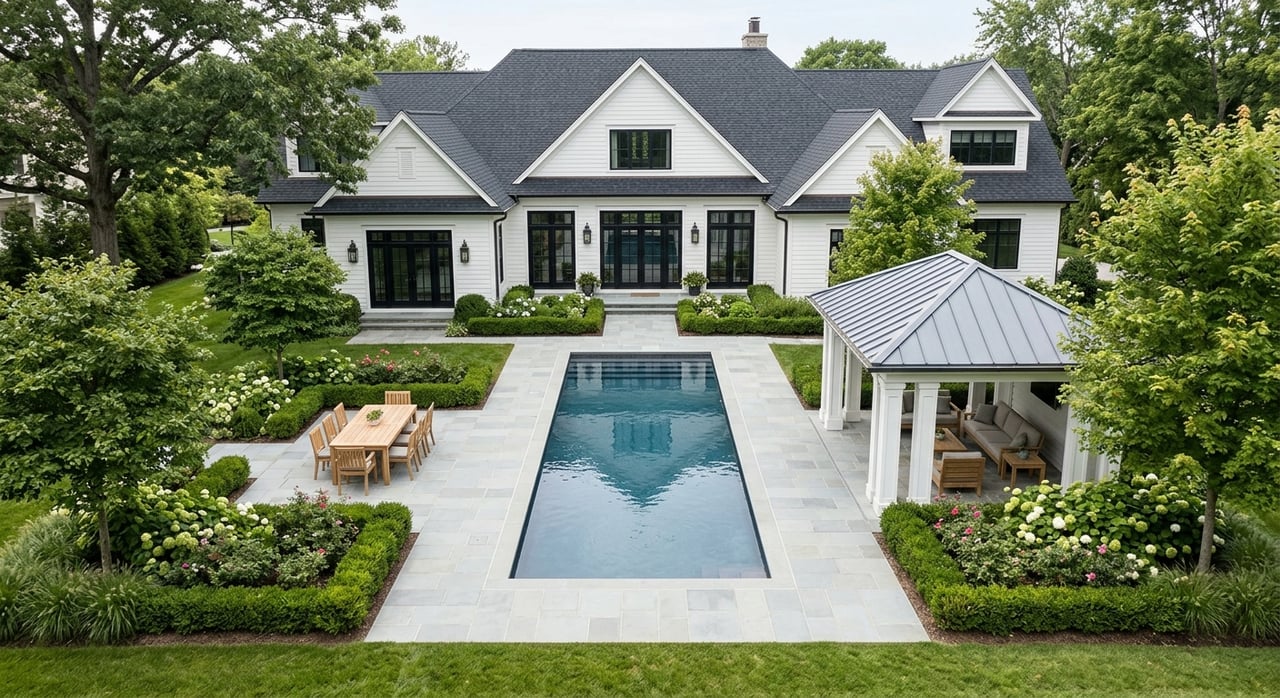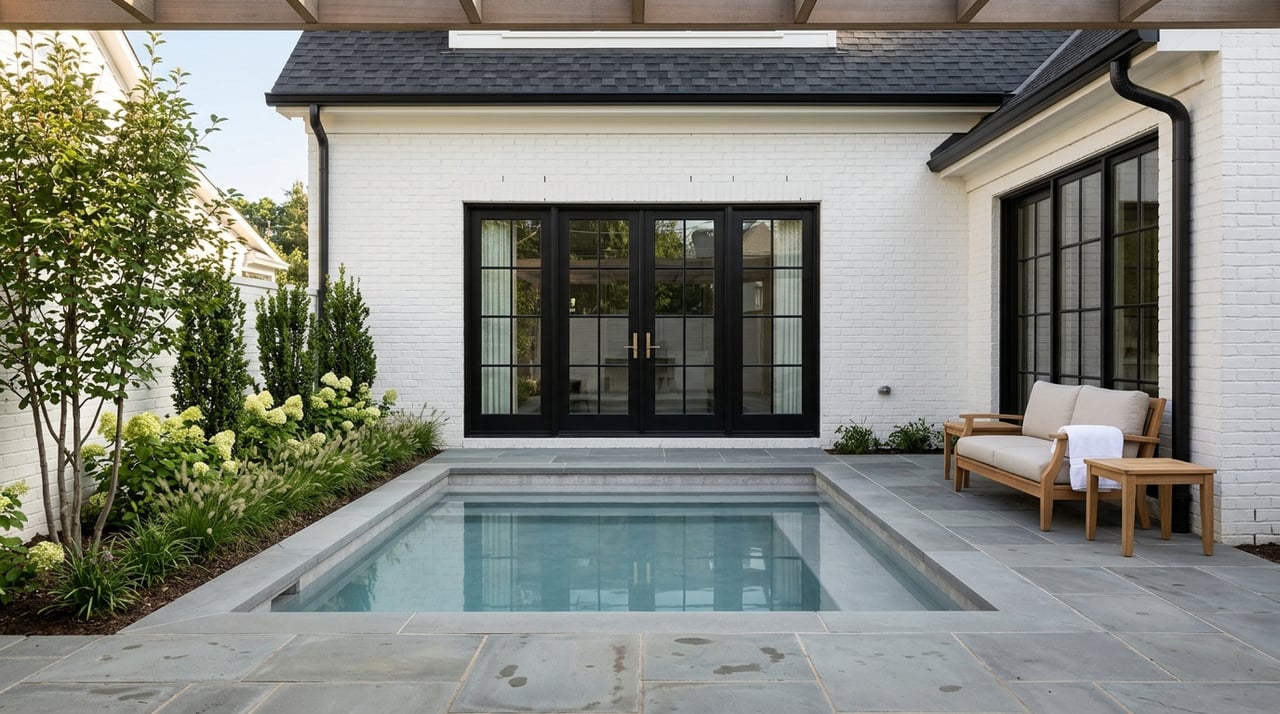
If your household needs more flexibility, moving is not your only option. In Greenwich, many owners have the space, property value, and long-term incentive to adapt an existing home for parents, adult children, caregivers, or extended stays. With the right design approach, you can create privacy, comfort, and independence while staying within local rules. Let’s dive in.
Why multigenerational design matters in Greenwich
Greenwich is well suited to multigenerational planning because many households already own their homes and may want to improve what they have rather than start over. The town’s 2020 to 2024 ACS data shows a 70.0% owner-occupied housing rate, 18.7% of residents age 65 and older, a median owner-occupied home value of $1,695,700, and 2.74 persons per household.
Those numbers do not prove how each family lives, but they do suggest why flexible design matters here. In a market where homes are valuable and long-term planning matters, reworking a property can be a practical way to support changing family needs.
This is also part of a broader housing pattern. Pew reported 59.7 million people in the United States were living in multigenerational households in March 2021, with financial reasons cited most often, while the Census Bureau reported that householders age 65 and older made up more than one in four households in 2024.
What multigenerational living can look like
Multigenerational living is not one fixed layout. For one household, it may mean a first-floor suite for an older parent. For another, it may mean a detached cottage for a returning adult child, a live-in caregiver, or longer guest stays that need more privacy.
AARP points to several common design patterns that work well for changing households. These include two primary suites, flex rooms that can serve as bedrooms, and bonus areas that can shift between office, den, and caregiver space.
In practice, the goal is simple: create room for togetherness without making daily life feel crowded. The best layouts support both connection and separation.
Start with everyday function
A successful multigenerational home works best when it solves daily problems, not just square footage questions. Think about how people will enter the home, move through it, use bathrooms, carry groceries, rest, work, and maintain privacy.
AARP’s aging-in-place guidance highlights a few features that consistently make homes easier to use over time. These include step-free entries, a first-floor bedroom and bathroom, grab bars, built-in shower seating, wider halls and doorways, brighter lighting, and curbless showers.
These features are often associated with aging, but they help many kinds of households. They can make life easier for someone recovering from surgery, pushing a stroller, using mobility equipment, or helping another family member with care.
Design features worth considering
When you are planning a Greenwich home for multigenerational living, a few features tend to have the biggest impact:
- Step-free access at a main or side entry
- First-floor bedroom and bath for easier day-to-day use
- Wide doorways and hallways for comfort and mobility
- Curbless or low-threshold showers with safer access
- Brighter lighting in halls, baths, and stairs
- Flex rooms that can become bedrooms, offices, or caregiver space
- Two-suite layouts for greater privacy
- Space for a future elevator shaft or chair lift if long-term needs may change
AARP notes that only about 10% of homes nationwide are fully prepared for senior living. That is one reason relatively modest layout changes can make such a meaningful difference.
ADUs in Greenwich: a major planning tool
In Greenwich, accessory dwelling units can play an important role in multigenerational design. The town’s Affordable Housing Trust Fund FAQ notes that ADUs have been permitted in single-family zones since 1987, so this is not a new or unfamiliar concept in local planning.
An ADU can be internal or external. It may be created through new construction or by converting existing space, as long as it meets the town’s zoning, building, health, and fire requirements.
For many owners, an ADU offers a practical balance. It can keep family members close while still giving everyone a separate kitchen, sleeping area, and more independent routine.
Key Greenwich ADU rules to know
Before you sketch layouts or interview contractors, it helps to understand the local framework. In Greenwich, only one ADU is allowed per single-family lot.
The owner must live in either the main home or the ADU, and the owner must retain title to both structures. The unit must remain secondary to the main residence rather than function like a duplex.
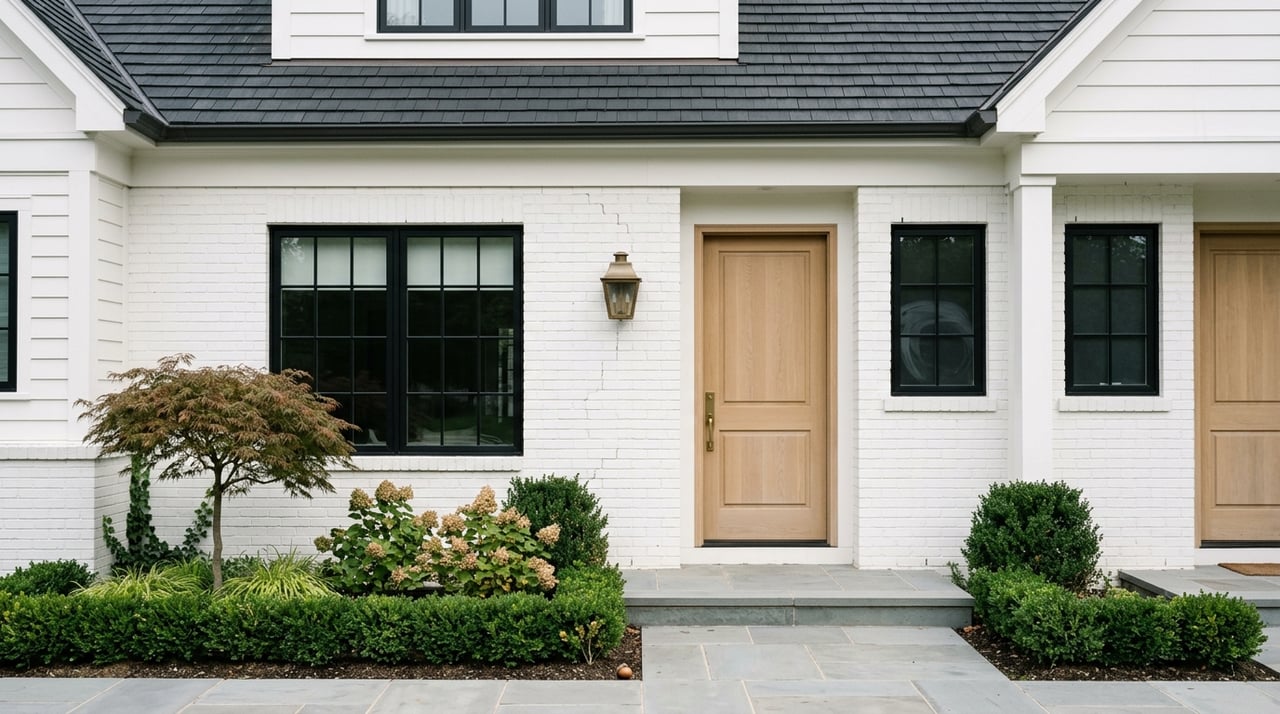
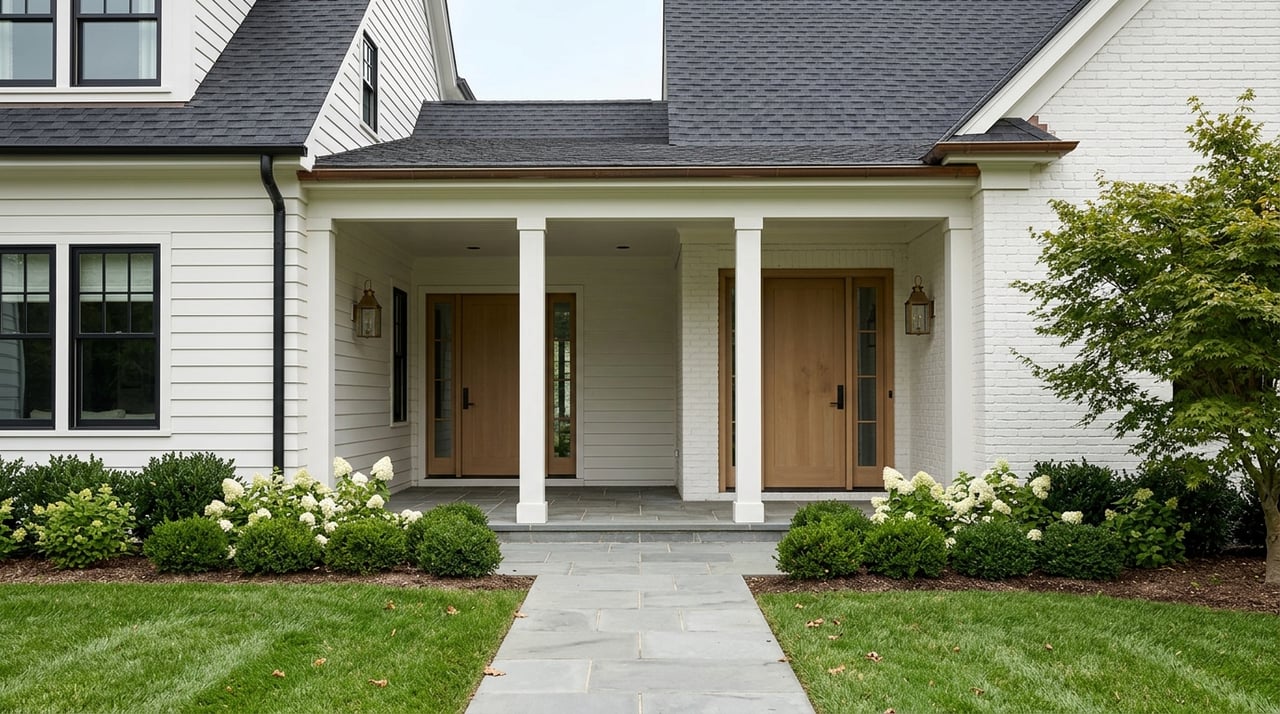
Greenwich’s zoning code also shapes how the unit should look and feel. External ADUs must maintain subordinate massing and architectural character, and for internal units, front-door prominence matters.
Size limits matter early
In Greenwich, internal ADUs may not exceed 35% of the primary unit’s gross floor area. External ADUs are capped at 800, 1,000, or 1,200 square feet depending on the zoning district.
That means size is not just a permit detail. It affects the entire design strategy, from whether you convert space inside the house to whether a detached structure is realistic for your lot.
Parking, access, and utilities shape the site plan
Greenwich requires at least one off-street parking space dedicated to the ADU. The town also does not allow a new curb cut created primarily to serve the ADU.
Before zoning permit issuance, sewer or septic adequacy endorsements are required. Connecticut General Statutes 8-2o limits municipalities from requiring more than one parking space or separate utility connections for accessory apartments, but site conditions still matter greatly in practice.
Internal vs. detached solutions
Many Greenwich properties can support either an internal conversion or an external unit, but each option comes with tradeoffs.
An internal ADU may work well if you have an underused wing, walkout lower level, or other area that can be adapted while preserving privacy. This approach can be efficient, but the design still needs to respect size limits, entrance hierarchy, and code compliance.
A detached guest cottage or converted outbuilding may offer better separation and quieter day-to-day living. In Greenwich, that can work if the structure qualifies as an external ADU and meets setback, parking, sewer or septic, and permit requirements.
Historic and site-specific review
Some properties need another layer of planning. If your home is in the Historic Overlay Zone, exterior reconstruction, alterations, additions, demolition, or new structures require site plan and special permit review, and the application is referred to the Historic District Commission.
In those cases, the design goal is not only functionality. New work must also be complementary and distinctly secondary under Greenwich’s historic standards.
Wetlands, lot conditions, and other site factors can also affect the path forward. That is why early due diligence is so important.
The smartest first steps
For most homeowners and buyers, the safest sequence is zoning first, then building and trade permits. Greenwich requires zoning review before building inspection accepts a permit application.
Permits are required for new structures, additions or alterations, and for converting unfinished attic or basement space into habitable space. Depending on the work, sign-offs may be needed from Health, Sewer, Zoning, Wetlands, Highway, and the tax collector.
A good early checklist includes:
- Your zoning district
- Lot conditions and setbacks
- Existing parking layout
- Sewer or septic capacity
- Whether wetlands review could apply
- Whether the property is in the Historic Overlay Zone
- Whether the planned unit is internal or external
What buyers should evaluate before purchasing
If you are buying with multigenerational living in mind, look beyond bedroom count. The better question is whether the property can support your household over time.
You may want to assess whether the lot can accommodate parking, whether an existing wing could become a private suite, or whether a detached structure might qualify as an external ADU. You should also consider whether the home already has features that support aging in place, such as a first-floor bed and bath or step-free access.
In a high-value market like Greenwich, this kind of analysis can protect both lifestyle and long-term value. A home that works for your family now and later is often a stronger decision than one that only fits the present moment.
Why strategic guidance matters
Multigenerational planning touches design, zoning, lifestyle, and resale considerations at the same time. In Greenwich, small decisions about placement, scale, access, and permitting can shape whether a concept is straightforward or far more complex.
That is where careful local guidance matters. Whether you are evaluating a purchase, considering a conversion, or deciding if a detached cottage is feasible, it helps to start with a clear understanding of the property, the rules, and your family’s real priorities.
If you are thinking about how a Greenwich property could support multigenerational living, Charles Paternina offers discreet, senior-level guidance grounded in local market knowledge and long-term planning.
FAQs
What is a multigenerational home in Greenwich?
- A multigenerational home in Greenwich is a property designed or adapted so multiple generations can live on the same property with better comfort, privacy, and day-to-day function.
Can you build an ADU on a single-family lot in Greenwich?
- Yes. Greenwich allows one ADU per single-family lot, either internal or external, subject to zoning, building, health, and fire code requirements.
What size can an ADU be in Greenwich?
- Internal ADUs may not exceed 35% of the primary unit’s gross floor area, and external ADUs are capped at 800, 1,000, or 1,200 square feet depending on the zoning district.
Can a detached guest cottage be used for multigenerational living in Greenwich?
- Often yes, if the cottage qualifies as an external ADU and meets local requirements for setbacks, parking, sewer or septic, and permitting.
What should homeowners check first for a Greenwich multigenerational project?
- Start with zoning district, lot conditions, parking layout, utilities, and whether wetlands, historic review, or other site-specific approvals may apply.
What design features help a home support aging in place?
- Common features include step-free entry, a first-floor bedroom and bathroom, wider doorways and halls, brighter lighting, grab bars, and curbless showers.
Does Greenwich require parking for an ADU?
- Yes. Greenwich requires at least one off-street parking space dedicated to the ADU.