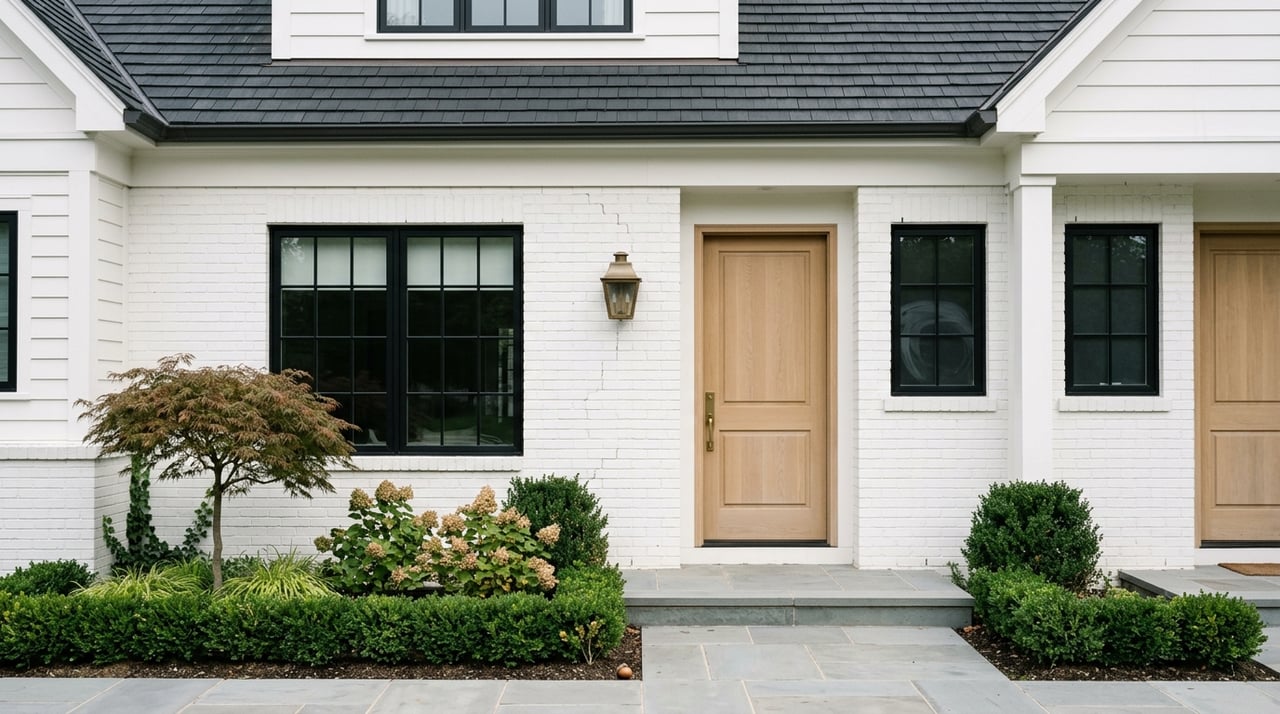
Wondering whether a condo, townhome, or house makes the most sense in Greenwich? It is a smart question, especially in a market where property type affects not just your purchase price, but also your lifestyle, monthly costs, and day-to-day responsibilities. If you are trying to balance privacy, maintenance, flexibility, and long-term value, this guide will help you compare the tradeoffs clearly. Let’s dive in.
Why property type matters in Greenwich
Greenwich is still primarily a single-family market. The town’s 2024 KPI report shows 13,903 single-family homes, compared with 5,614 multi-family units, including 3,042 condos. That means about 71.39% of the housing stock is single-family and 28.61% is multi-family.
That matters because your options do not sit on equal footing here. In a town where detached homes remain the dominant format, condos and townhomes can serve a very specific role for buyers who want less upkeep, a part-time residence, or a different price point and living pattern.
Greenwich also sits in a high-value bracket. Recent market trackers place average or median values around the $2.0 million to $2.3 million range, so choosing the right property type is not just a lifestyle decision. It is a meaningful financial decision that deserves careful analysis.
The simplest way to compare
If you want the shortest version, think of it this way:
- Condo: lower exterior maintenance and more shared rules
- Townhome: a middle ground between condo and house
- House: more privacy, space, and control
That quick summary is useful, but it only gets you so far. In Greenwich, the right answer often depends on how you live, how often you travel, how much control you want, and how you prefer to allocate your monthly budget.
When a condo makes sense
A condo can be a strong fit if you want the lowest day-to-day exterior maintenance burden. Fannie Mae defines a condo as an individual unit within a larger building or community, where owners jointly own exterior property and common areas. In most cases, the monthly condo fee helps cover exterior and common-area repairs and maintenance.
Those fees may also include services or shared expenses such as water, sewer, trash, or amenities, depending on the building or community. It is also important to remember that condo or HOA dues are usually separate from your mortgage payment. That means your true monthly carrying cost may be higher than the mortgage alone suggests.
For many Greenwich buyers, the appeal is convenience. If you travel often, split time between Greenwich and New York City, or simply do not want to manage landscaping, roofing, snow removal, or exterior upkeep, a condo can offer a simpler ownership experience.
That lower-maintenance appeal can also pair well with Greenwich’s outdoor lifestyle. The town manages beaches, ferry services, boating facilities, marinas, and seasonal park access. If you want a home base that lets you spend more time enjoying the area and less time maintaining property, a condo may feel like a practical fit.
Condo tradeoffs to weigh
The convenience comes with less control. Condo associations often govern exterior changes, shared spaces, and community rules. Fees can also rise over time, and major projects may lead to special assessments.
In Greenwich, condo diligence is especially important. Fannie Mae notes that lenders look closely at a project’s physical condition, HOA financial stability, insurance, litigation, and deferred maintenance. If a building has unresolved critical repairs or weak reserves, that can affect financing and increase risk.
Condo questions to ask
Before you move forward with a condo, make sure you review:
- Monthly HOA or condo dues
- What those dues actually cover
- Reserve fund strength
- Any planned or recent special assessments
- Deferred maintenance issues
- Insurance coverage
- Pending litigation involving the association
- Rules on renovations or exterior changes
In a market like Greenwich, these details can shape both your ownership experience and your financing path.
When a townhome makes sense
A townhome often appeals to buyers who want more of a house-like feel without taking on the full maintenance burden of a detached home. In practical terms, it often sits between a condo and a single-family house. You may get more square footage, multiple levels, a more private entrance, or some outdoor space, while still benefiting from association-managed upkeep.
That said, townhomes require extra care during the due diligence process because they are not one single ownership category in practice. Fannie Mae notes that townhomes can be part of a planned development, may share common walls or be detached, and may still be subject to HOA rules. In other words, you should verify the exact legal ownership structure before assuming anything about maintenance, control, or financing.
For Greenwich buyers, this middle-ground option can be appealing if you want easier living but are not ready to give up the feel of a more traditional home. If a condo feels too communal and a detached house feels too demanding, a townhome may offer the balance you need.
Townhome tradeoffs to weigh
The biggest issue is variability. One townhome community may handle a meaningful share of exterior upkeep, while another may leave more responsibility with the owner. Rules, dues, and financial structure can differ widely from one development to the next.
That is why the label alone is not enough. In Greenwich, you want to understand exactly what you own, what the HOA covers, what restrictions apply, and how those details affect both your monthly costs and future flexibility.
When a house makes sense
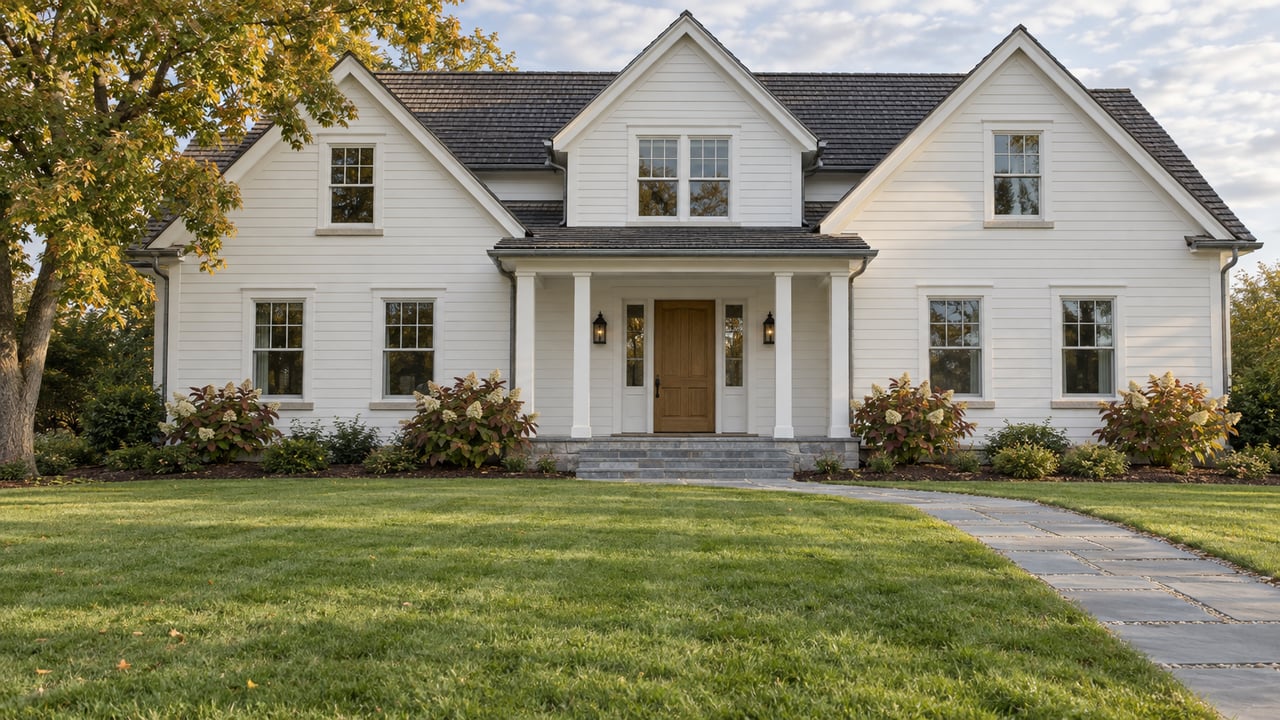
A detached house is usually the best fit if you value privacy, yard space, and full control over your property. In Greenwich, where single-family homes make up the majority of the housing stock, this remains the classic ownership model. It often aligns well with buyers who want more room to spread out, customize, and enjoy outdoor living.
With a house, you typically have the most control over landscaping, additions, outdoor improvements, and the overall use of the property. If you are thinking about a garden, pool, expanded patio, or long-term personalization, a detached home generally gives you the broadest range of options.
This can be especially meaningful in a town like Greenwich, where lot size, privacy, and exterior living matter to many buyers. If your vision of home includes a private yard rather than shared common areas, a single-family property may be the clearest match.
House tradeoffs to weigh
More control also means more responsibility. Homeowners are responsible for ongoing maintenance and repairs, including major items such as roofing and other systems, along with property taxes, insurance, utilities, water, and a reserve for unexpected costs.
In Greenwich, property taxes deserve close attention. The town’s FY 2025 to 2026 mill rate is 12.041, and property tax is calculated as assessed value multiplied by the mill rate, divided by 1,000. For higher-value homes, that cost should be built into your monthly planning from the start.
Compare your real monthly cost
One of the most common mistakes buyers make is comparing only purchase prices. In Greenwich, that can lead to a distorted picture of affordability because each property type carries costs differently.
A condo may have a lower maintenance burden, but that convenience often comes with monthly dues that can run several hundred dollars or more and may increase over time. A house may not have HOA dues, but you need to budget directly for repairs, exterior upkeep, insurance, utilities, and taxes. A townhome can fall anywhere in between depending on its structure.
Here is the practical way to compare options:
- Mortgage payment
- Property taxes
- Homeowners insurance
- HOA or condo dues, if any
- Utilities and water
- Routine maintenance
- Emergency repair reserve
- Potential special assessments for attached housing
When you review homes through this lens, the right choice often becomes much clearer.
Match the home to your lifestyle
The best property type is usually the one that supports how you actually live. In Greenwich, local routines and priorities often shape that decision more than buyers expect.
If you commute, parking permits at Cos Cob, Old Greenwich, and Riverside railroad stations may matter to your day-to-day planning, especially if you divide time between Greenwich and New York City. Some permit categories require proof of Greenwich residency, which may factor into how you think about full-time versus part-time use.
If you are drawn to Greenwich’s parks, beaches, boating, and seasonal outdoor amenities, your maintenance tolerance may matter just as much as your square footage goals. A buyer who wants a low-maintenance landing spot may lean toward a condo or certain townhomes, while a buyer who wants private outdoor space may favor a detached house.
A practical decision framework
If you are narrowing your search, use this framework:
Choose a condo if you want
- The lowest exterior maintenance burden
- Simpler ownership for frequent travel or part-time use
- Shared amenities or common-area services
- Less responsibility for exterior repairs and upkeep
Choose a townhome if you want
- More house-like living than many condos offer
- Some association-managed upkeep
- A balance between convenience and space
- Flexibility, but with careful review of the legal structure and HOA terms
Choose a house if you want
- More privacy
- Yard space and outdoor living potential
- Greater freedom to improve or personalize the property
- Full control over how the home and land are used
Why due diligence matters more here
In Greenwich, these choices often involve significant capital, so small details can have outsized consequences. A condo with weak reserves or deferred maintenance may look convenient at first glance but create problems later. A house with no HOA may offer freedom, but it also places every repair and operating cost directly on you.
That is why the decision should go beyond broad labels. You want to understand the numbers, the ownership structure, the rules, and how each option fits your actual routine, not just an idealized version of it.
A thoughtful comparison can help you avoid paying for features you will not use, or overlooking costs that will shape your experience after closing. In a market as nuanced as Greenwich, that kind of clarity matters.
Whether you are relocating, buying a weekend base, or planning a long-term move within town, the right choice usually becomes clearer once you weigh maintenance, control, carrying costs, and lifestyle side by side. If you want a discreet, financially grounded conversation about which property type fits your goals in Greenwich, request a private consultation with Charles Paternina.
FAQs
What is the main difference between a condo and a house in Greenwich?
- A condo usually offers lower exterior maintenance and shared common areas, while a house usually offers more privacy, yard space, and control, along with more direct maintenance responsibility.
What should you review before buying a condo in Greenwich?
- You should review HOA dues, reserve funds, special assessments, deferred maintenance, insurance, litigation, and community rules before moving forward.
How should you evaluate a townhome in Greenwich?
- You should confirm the legal ownership structure, what the HOA maintains, what fees apply, and what restrictions or rules affect the property.
Why do property taxes matter when choosing a house in Greenwich?
- Property taxes are an important part of your monthly carrying cost, and Greenwich calculates them using the assessed value multiplied by the mill rate, divided by 1,000.
Which property type is best for part-time living in Greenwich?
- For many buyers, a condo can work well for part-time living because it often reduces exterior maintenance and day-to-day upkeep.
Is Greenwich mostly a single-family or multi-family market?
- Greenwich is mostly a single-family market, with the town reporting that about 71.39% of its housing stock is single-family and 28.61% is multi-family.