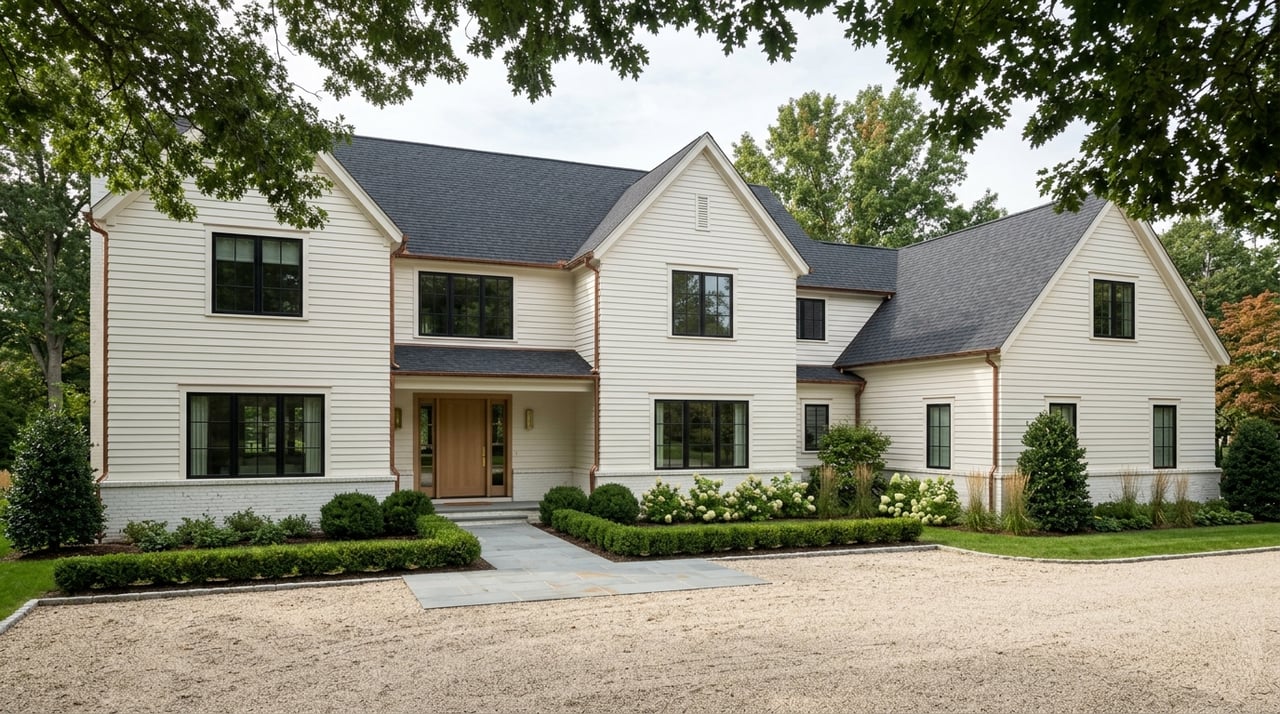
If your estate is going to make a first impression, it will likely happen on a screen. In luxury real estate, photography and film often serve as the first showing, and that means every room, every sightline, and every exterior angle needs to feel intentional. If you are preparing to bring a Greenwich property to market, a thoughtful pre-shoot plan can help your home appear cleaner, calmer, and more compelling from the very first image. Let’s dive in.
Why listing visuals matter
For most buyers, the online presentation shapes whether they take the next step. The National Association of Realtors reports that more than 90% of buyers search online, and 85% say photos are the most important factor in deciding which homes to view.
That matters even more at the estate level, where buyers often compare several high-value properties before scheduling a showing. Strong visuals help your home feel memorable, while weak or cluttered visuals can make even a beautiful property feel less refined than it is.
Staging also plays a direct role in how buyers interpret what they see. In NAR’s 2025 Profile of Home Staging, 83% of buyers’ agents said staging made it easier for a buyer to visualize the home as a future residence.
Prioritize the rooms that carry the listing
When time is limited, not every room needs the same level of attention. NAR found that the living room is the single most important room to stage, with the primary bedroom and dining room also ranking high in both staging practice and buyer attention.
For a Greenwich estate, this usually means focusing first on the main social rooms and the primary suite. After that, the kitchen, dining area, office, guest suite, or bonus room should support the story of how the property lives day to day.
Start with the living room
The living room often sets the tone for the entire listing. It should feel open, balanced, and easy to understand in a single frame.
Remove extra accessories, simplify bookshelves, and keep tabletops restrained. If the room has strong architectural features such as a fireplace, window wall, or built-ins, clear away distractions so the camera reads those elements first.
Refine the primary bedroom
The primary bedroom should feel restful and private. Crisp bedding, clear nightstands, and limited decor usually photograph better than layered personal items or busy patterns.
Put away family photos, personal papers, chargers, and anything that pulls the room back into daily life. Buyers should see a calm suite, not your routine.
Keep the kitchen and dining room clean-lined
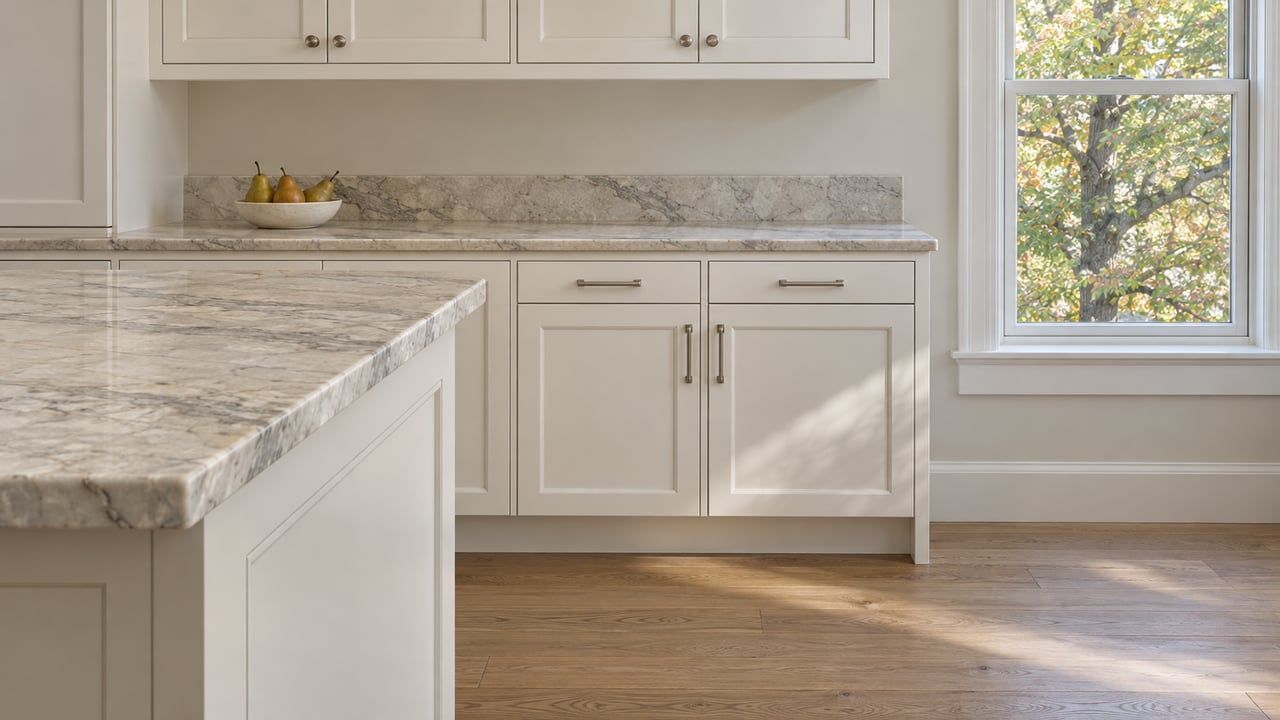
Kitchens and dining spaces often carry a large share of buyer attention. Clear counters, hide small appliances when possible, and leave only a few intentional items in view.
In the dining room, center the table visually and avoid overcrowding it with decor. The goal is to show proportion, light, and flow, not to fill every surface.
Define offices and bonus spaces
If your estate includes a study, gym, guest suite, or flexible room, give it a clear purpose before the shoot. NAR notes that bedrooms, living rooms, and bonus spaces such as offices can have a strong impact when time and resources are limited.
A room with an obvious function is easier to understand in photos and video. That clarity helps buyers imagine how the home could support work, hosting, or daily living.
Edit for the camera, not daily life
A home can feel tidy in person and still look busy on camera. Photography tends to magnify visual noise, so your pre-shoot standard should be higher than your normal standard for neatness.
NAR defines staging as cleaning, decluttering, repairing, depersonalizing, and updating the home so buyers can picture themselves in the space. For photo day, that means editing each room down to what truly supports the image.
Remove distraction points
Small details can weaken an otherwise excellent image. NAR recommends simplifying bookshelves, cleaning light fixtures, dusting after staging is complete, and avoiding obvious distractions such as a television left on or clutter in the driveway.
Replace burnt-out bulbs, clean windows and screens, and make sure every visible surface reads fresh. Even subtle issues can stand out once a room is professionally lit and photographed.
Use neutral, restrained styling
Neutral choices tend to help rooms feel larger and more universally appealing. You do not need to strip away all personality, but you do want the home to feel polished rather than overly specific.
If a space is vacant or difficult to interpret, virtual staging may help. NAR also notes that photo enhancements that materially alter the property should be disclosed, so the visual story should remain truthful.
Protect privacy before the shoot
For many Greenwich sellers, privacy is just as important as presentation. That is especially true in estate properties, where photography may capture more than finishes and furniture.
NAR advises sellers to remove family photos, calendars, mail, computer logins, Wi-Fi passwords, sensitive papers, jewelry, firearms, and medications. Personal toiletry items should also be out of sight, and toilet lids should be closed before interior photography.
Secure valuables and personal information
Think beyond what you notice in everyday life. Framed names, diplomas, package labels, desk papers, and open screens can all appear in high-resolution imagery.
Before the shoot, walk room by room with privacy in mind. If an item identifies your family, finances, routines, or possessions, store it away.
Plan for pets and household activity
Pets should be moved out of the way, crated, or confined to one room during showings, and the same logic applies on photo and video day. A smooth production benefits from quiet spaces, clear floors, and as little movement as possible.
If the property is occupied, try to minimize day-of activity. A calm house is easier to light, stage, and film well.
Stage the exterior as a lifestyle
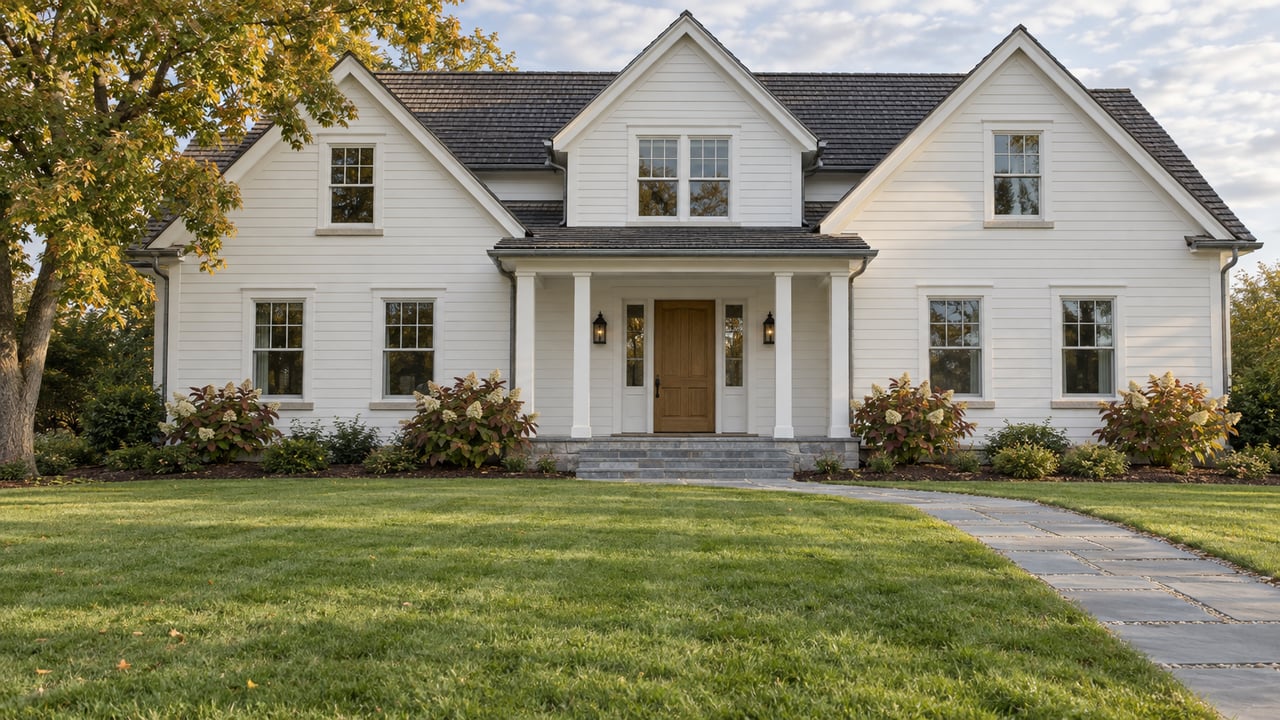
For estate properties, exterior imagery does more than show the facade. It introduces the lifestyle of the property, from arrival to gardens to terraces and recreation areas.
NAR’s curb appeal guidance is clear that the front yard can make or break a listing. A clean front door, refreshed house numbers, good lighting, trimmed edges, fresh mulch, and a manicured landscape all help create a stronger first impression.
Prepare the approach and front elevation
Clean windows inside and out, cut the grass, rake leaves, trim bushes, edge walkways, and remove clutter from the porch or lawn. Gutters should also be cleaned if visible.
These details may seem basic, but they read as upkeep and care in listing visuals. In Greenwich, where many buyers expect a turnkey presentation, that polish matters.
Treat outdoor areas like rooms
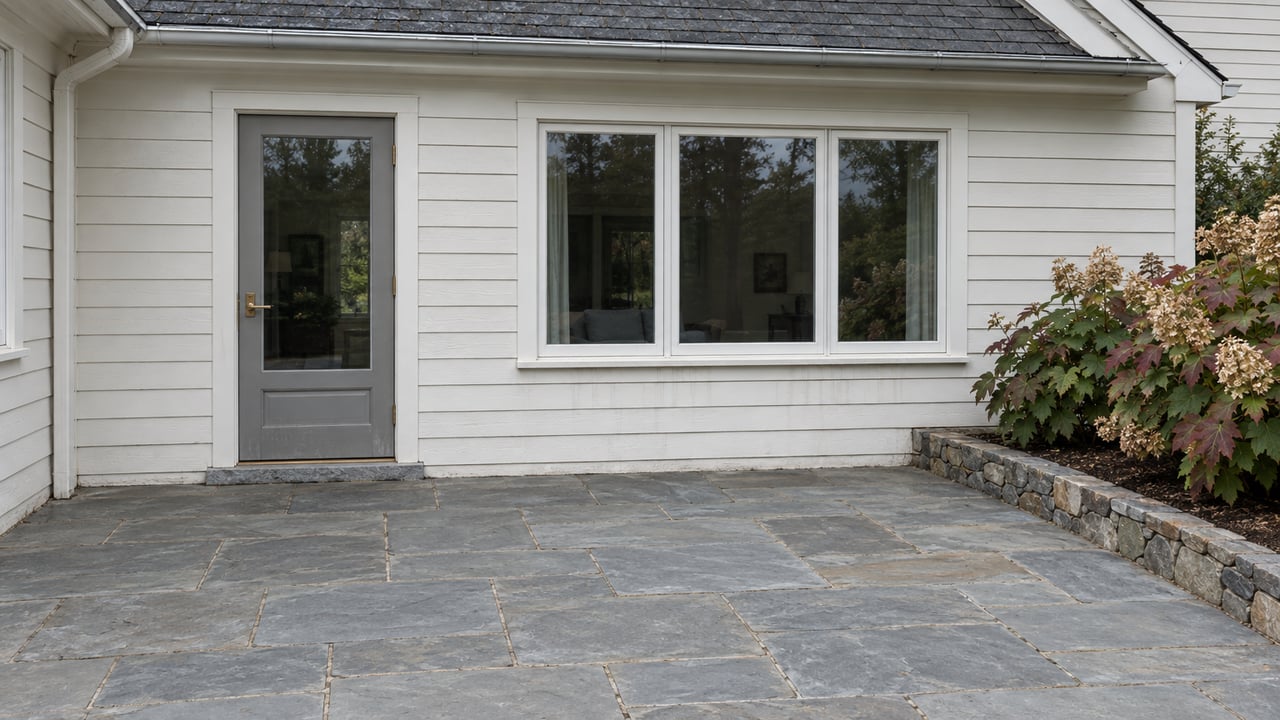
Outdoor spaces should not feel like leftover square footage. NAR recommends staging patios and backyards with a storytelling approach, using clear zones for lounging, dining, and gathering.
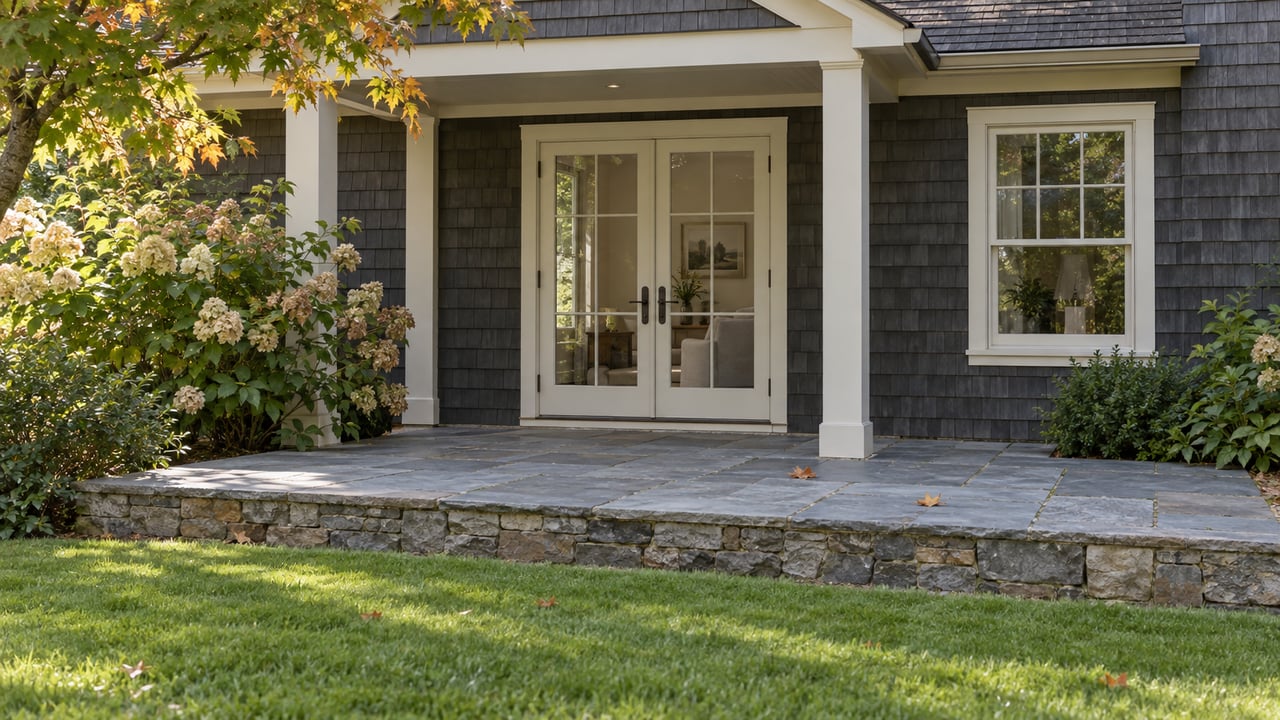
If your estate includes a terrace, pool area, garden, or pavilion, give each area a defined purpose. Scale-appropriate furniture, visual cohesion, and a few well-placed accents can help the outdoor setting feel like a true extension of the house.
Watch what shows through the windows
Windows do double duty in listing photography. They bring in light, but they also reveal whatever sits outside the glass.
NAR advises opening blinds and curtains to reveal views and brighten interiors. It also notes that clutter outside a window can show up in photos, so the visible exterior should be as quiet and orderly as the room itself.
Time the shoot for the best light
Lighting can change how an estate feels online. A bright room with balanced exposure tends to feel larger and more inviting, while harsh or uneven light can flatten detail.
NAR notes that dusk or overcast conditions often produce more balanced exterior light. For some Greenwich estates, a twilight hero shot may also create a more dramatic and elegant first impression.
The right timing depends on the house, the orientation, and the outdoor features you want to highlight. A thoughtful plan can help the photographer capture both the architecture and the setting at their best.
Understand Greenwich permit and drone considerations
If the shoot is simple and contained, logistics may feel straightforward. But for a more involved production with video, still photography, public access needs, or aerial work, planning should start early.
The Town of Greenwich states that a permit to film is required, and at least five business days’ advance notice is required. The town’s permit application also states that the commercial filming permit covers movie, TV commercial, still photos, and video, and that it applies to private property as well as town property.
Plan permits before scheduling production
The Greenwich permit process also asks the applicant to describe how neighbors will be notified. For estate-level marketing, that makes permit review a practical scheduling step, not a last-minute detail.
If your production uses town right-of-way, on-street parking, or other public infrastructure, the Highway Division may also need to be consulted. This is particularly important if equipment, reserved parking, or street-side staging is involved.
Confirm drone compliance early
Drone footage can be valuable for showing land, layout, and setting, but it brings additional rules. FAA guidance states that commercial aerial photography is generally a Part 107 operation, meaning the operator typically needs a remote pilot certificate, the drone must be registered, the flight must remain within visual line of sight, and airspace authorization may be required in controlled airspace.
In Connecticut, the Department of Energy and Environmental Protection prohibits drones on state parks, state forests, and other lands under its control unless specifically authorized. If your property is near public land, that area should not be treated as open filming space by default.
Create a final pre-shoot checklist
The last 24 hours before photography and film should be calm and methodical. Your goal is to make the home feel polished, private, and ready to capture from every angle.
A simple checklist can help:
- Clear countertops, desks, nightstands, and bathroom surfaces
- Remove family photos, mail, calendars, papers, and visible valuables
- Replace burnt-out bulbs and turn on appropriate lighting
- Clean windows, mirrors, fixtures, and high-gloss surfaces
- Hide pet items, small appliances, cords, and personal products
- Tidy driveways, porches, lawn areas, and visible exterior storage
- Open blinds or curtains where views and light help the room
- Confirm staging, shoot timing, permits, and aerial plans in advance
For a Greenwich estate, the best listing visuals rarely happen by accident. They come from thoughtful editing, measured preparation, and a marketing strategy that respects both presentation and discretion.
When your home is prepared well, the imagery can do more than look attractive. It can help communicate scale, mood, quality, and the lifestyle your property offers from the very first showing online.
If you are preparing to bring a Greenwich property to market and want a discreet, senior-led plan for presentation, staging strategy, and launch timing, Charles Paternina can help you approach each detail with clarity and care.
FAQs
What rooms matter most when preparing a Greenwich estate for listing photos?
- The living room usually deserves the most attention, followed by the primary bedroom, dining room, kitchen, and any office or bonus room that helps explain how the home lives.
What should you remove before a luxury real estate photo shoot?
- Remove personal photos, mail, calendars, sensitive papers, valuables, medications, firearms, toiletries, pet items, visible cords, and everyday clutter that may distract in photos.
Do you need a permit to film or photograph a property in Greenwich?
- The Town of Greenwich states that a film permit is required for commercial filming activity, including still photos and video, and it requires at least five business days’ advance notice.
Can you use drone footage for a Greenwich estate listing?
- Yes, but commercial drone work generally falls under FAA Part 107 rules, and the operator typically must meet registration, certification, visual line of sight, and airspace requirements.
How should you prepare outdoor spaces for Greenwich estate photography?
- Treat outdoor areas like usable rooms by cleaning and grooming the landscape, defining seating or dining zones, and making sure patios, terraces, lawns, and pool areas feel intentional and well maintained.